Related Content
CONTACT PERSON
Amanda Borup Pedersen
ESA BIC MANAGER, DTU
BOOK A STARTUP INTRO CALL


Contact Person
Poul zimmermann nielsen
ESA Technology broker, DTU
Get in touch
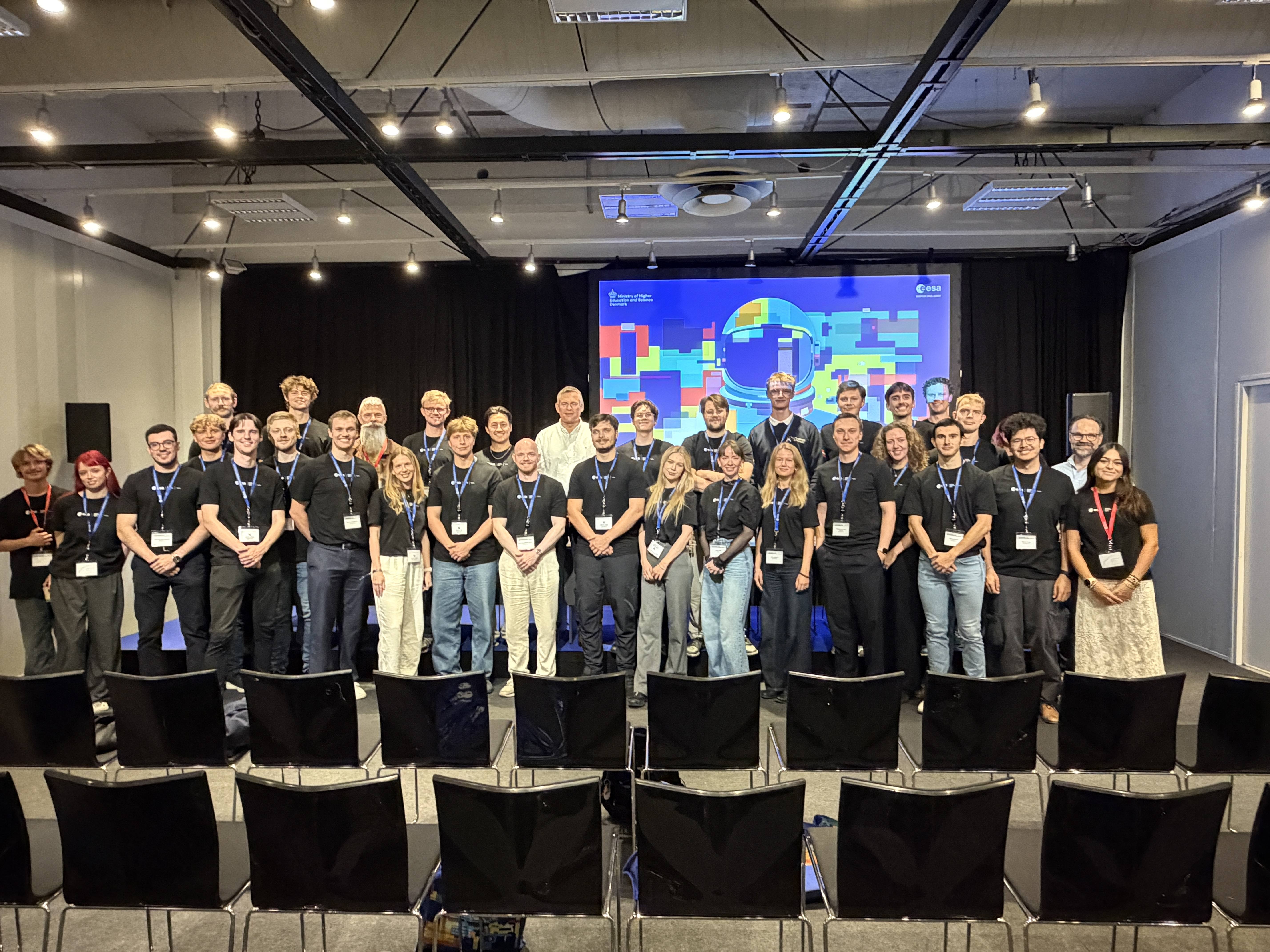

Denmark's universities are training the people who will build Europe's space future. With support from Otto Mønsteds Fond, ESA BIC Denmark brought 32 of them to Space for Inspiration 2026, and showed the industry what's coming.
Three minutes, no slides, and an ESA astronaut in the audience. On the second day of Space for Inspiration 2026, seven student teams took the stage one by one to tell Andreas Mogensen, ESA Astronaut and Human Exploration Group Leader at the European Astronaut Centre, what they had learned at the conference and what they planned to do next.
These were not spectators. Between them, the 32 students in the ESA BIC Denmark Student Delegation are building satellites headed for orbit, robots designed for space and research that feeds into Europe's space programmes. The delegation brought together seven student teams from Aarhus University (AU), Aalborg University (AAU), the Technical University of Denmark (DTU), the IT University of Copenhagen (ITU) and Københavns Universitet (KU). For two days in September, they shared Bella Center with more than 500 participants from companies, space agencies, research institutions and investors.
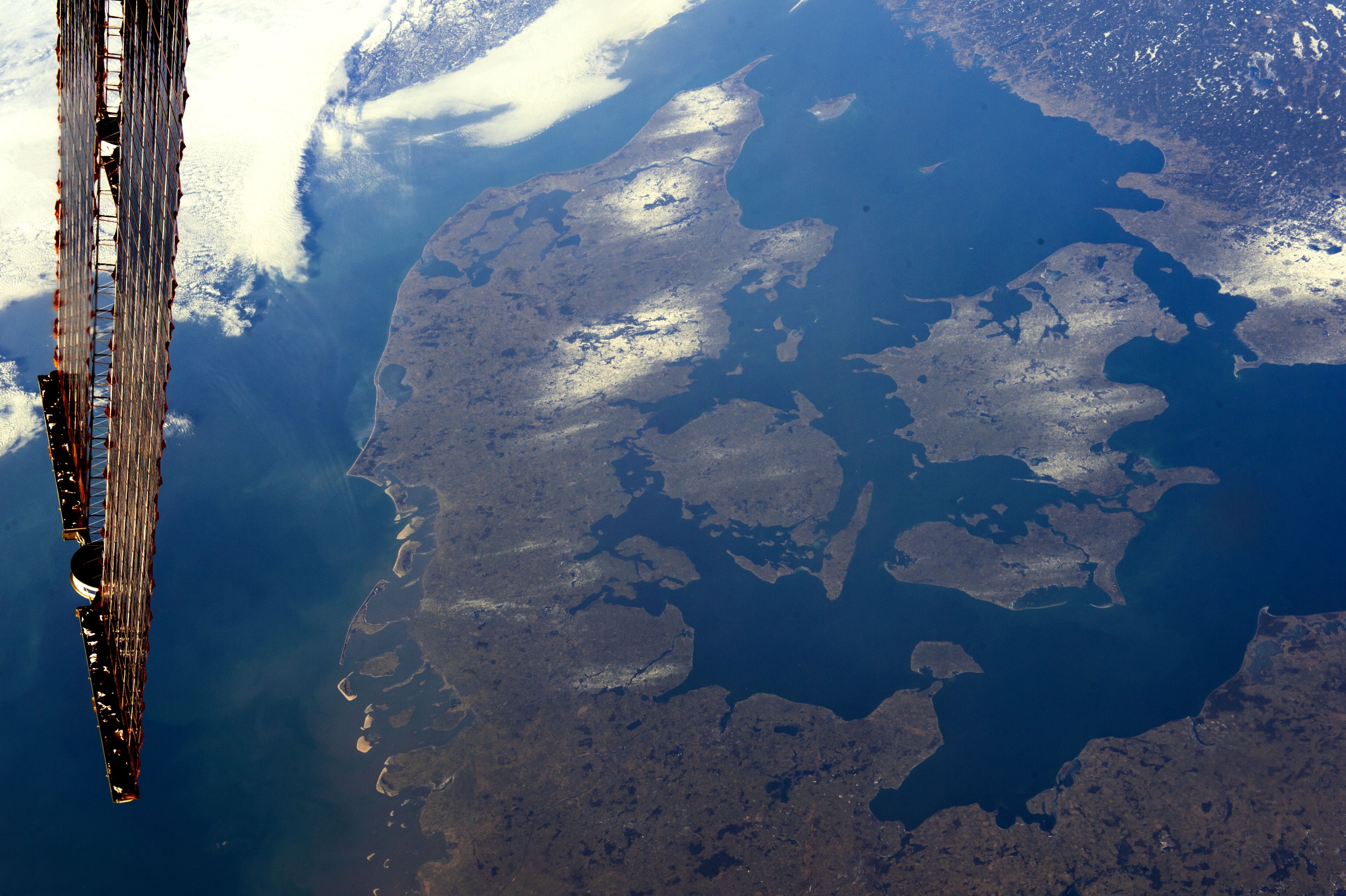
engineers by letting them build satellitesDenmark has a tradition few countries can match: students don't just study space, they build and fly it. In 2003, students at Aalborg University had their first satellite, AAU CubeSat, on the very first CubeSat launch. AAU students have since launched five satellites, and the team behind the sixth, AAUSAT6, was part of our delegation (AAU).
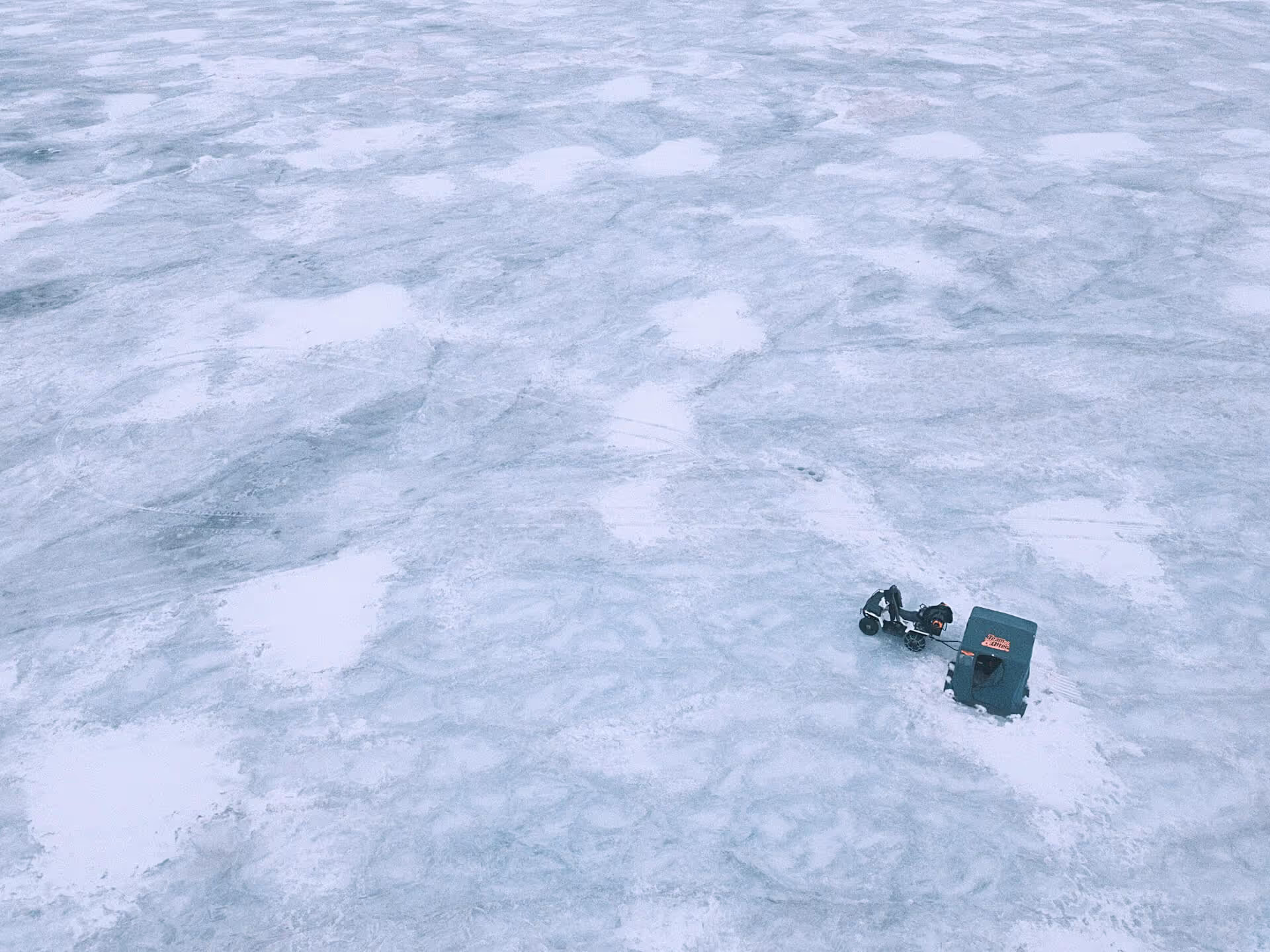
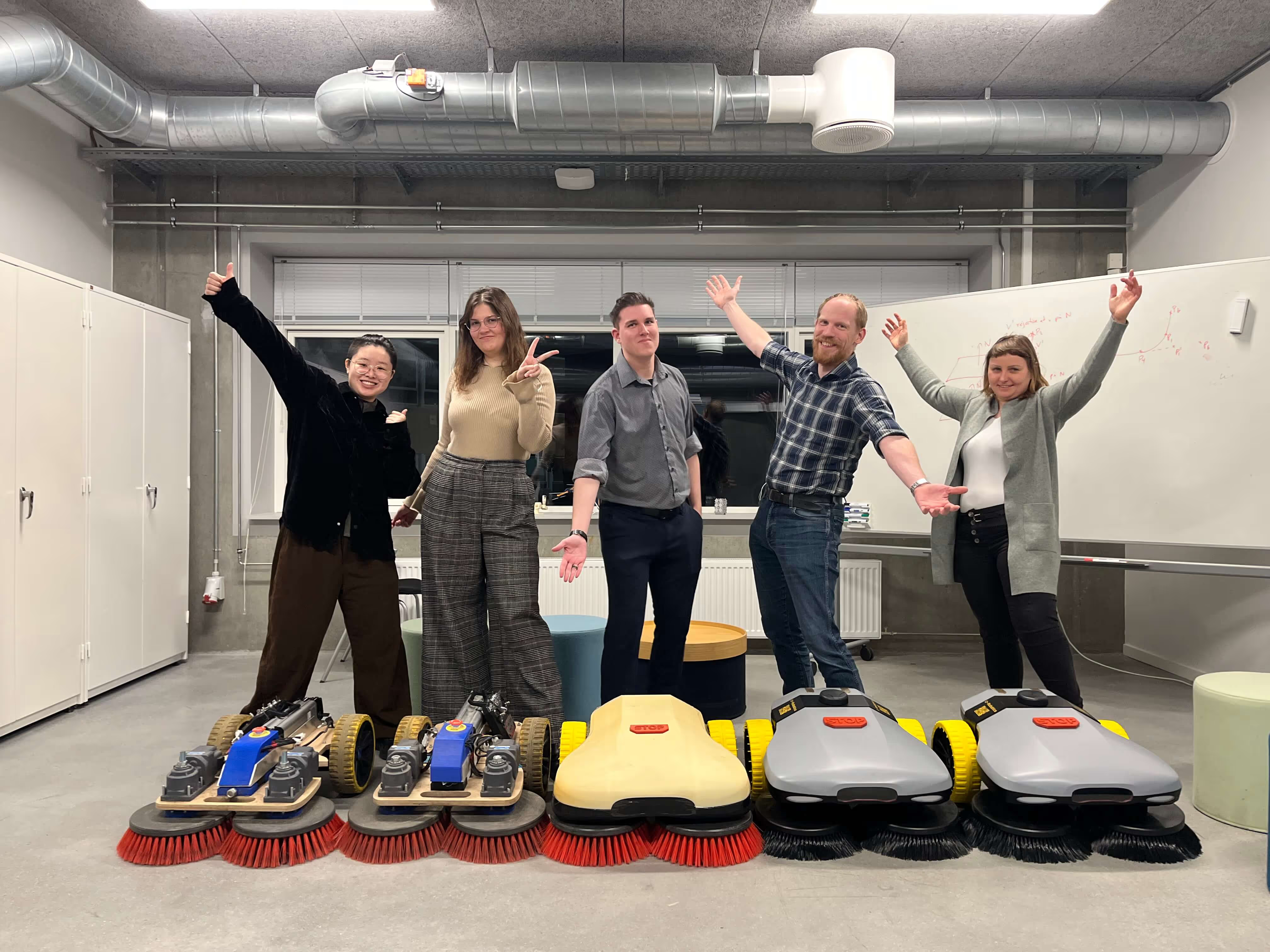
That hands-on model has gone national. The Danish Student CubeSat Program, DISCO, brings Aarhus University, Aalborg University, the University of Southern Denmark and the IT University of Copenhagen together to give students a continuous series of satellite missions (AU). DISCO-1 reached orbit in 2023, and DISCO-2 – whose student team joined the delegation – carries cameras to study Greenland's glaciers and climate change (SDU). Alongside them, DTU students work with ESA Academy and space entrepreneurship, and Aalborg students design robots for space.
The results reach far beyond the classroom. AAU's student satellite lab gave rise to companies such as GomSpace, Space Inventor and Satlab, which together employ more than 300 people and deliver satellites and subsystems worldwide (AAU). Today's student teams are tomorrow's engineers, researchers and founders, and Denmark's space economy depends on them.
Space for Inspiration is ESA's conference on commercial space, where companies, agencies and investors meet to shape what comes next. One of the industry's biggest needs is talent, and the people who will fill those roles were sitting in the delegation.
The students brought something conferences rarely see: real projects, built by hand, at a stage where the right advice can still change their direction. ESA BIC Denmark's business developers mentored each team, and a Conference Mission Card sent every team out to talk to at least one relevant expert or partner. Exhibitors and speakers didn't just meet an audience; they met future colleagues, collaborators and founders.
The workshops were informal project clinics, not a startup competition. Most student teams don't see themselves as startups, and they don't need to. But AAU's history shows how student projects can grow into companies, and the delegation let students see that path for themselves. Each team left with one realistic next step for the following 30 days.
Andreas Mogensen saw it too:
"It was fantastic to experience the engagement brought by the students. Their presentations clearly demonstrated that the next generation already holds a real and valuable place in the space ecosystem."
— Andreas Mogensen, Chief of the ESA Astronaut Corps
None of this would have happened without Otto Mønsteds Fond. The foundation's support covered the students' conference access, travel, accommodation and the programme around them, opening the doors of an international event that would otherwise have been out of reach.
A warm thank you also goes to our business developers Christoffer Karoff, Stefan Ovesen Banke, Casper Birkmose Mejer and Karsten Bubber Outzen, who mentored every team.
Are you a student building something for space – a CubeSat, a rover, a research project or just an idea you can't stop thinking about? Our Space Nerds newsletter is where we share the next student delegations, events, workshops and opportunities in the Danish space ecosystem first.
Know someone who should have been in the room? Send this article their way.

May 18, 2026
May 14, 2026
Jul 24, 2025