


Related Content

CONTACT PERSON

Amanda Borup Pedersen
ESA BIC MANAGER, DTU
BOOK A STARTUP INTRO CALL


Contact Person

Poul zimmermann nielsen
ESA Technology broker, DTU
Get in touch
.jpg)

When warehouse managers talk about digitalisation, they often picture fully automated facilities running on perfect data. In practice, many of the most costly mistakes still happen at a very human level: a forklift, a stack of pallets, a printed checklist, and a driver under time pressure. That is the gap LogiScan and its product LiftSync are targeting, automating pallet identification and loading directly from the truck, so “right pallet, right place, right truck” becomes an everyday reality rather than a best‑case scenario.
Inside most warehouses, planning systems and transport management software show a clean, digital world: orders created, pallets assigned, trucks scheduled. On the floor, the reality is different. Many outbound processes still run on:
In theory, this process guarantees full traceability. In practice, people are tired, interrupted by colleagues, dealing with last‑minute changes and under pressure to get trucks out on time. Under those conditions, typical errors occur:
By that time, production may have manufactured a replacement, customer service has handled complaints, and transport costs have increased. The cost of the original mistake far exceeds the value of the pallet itself.
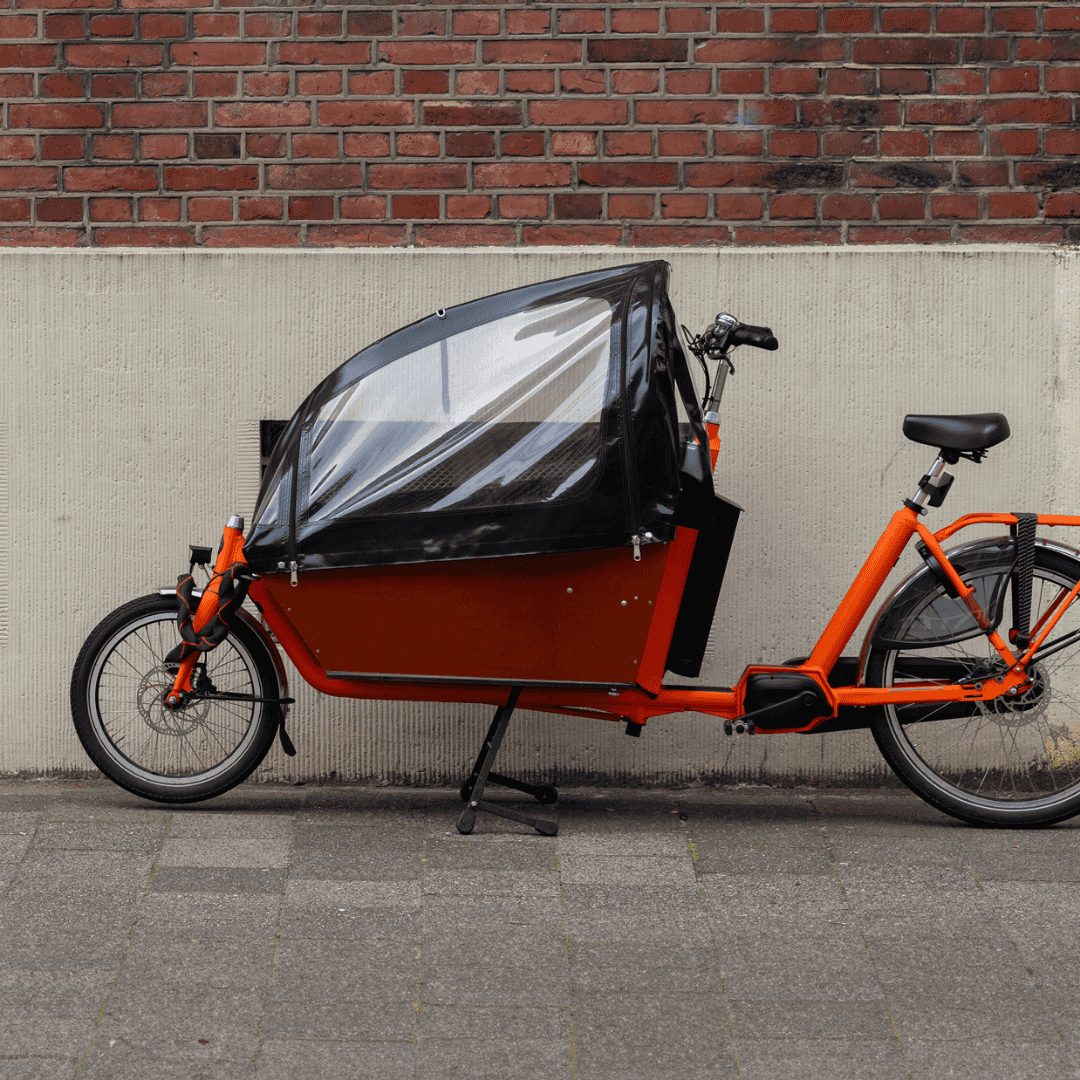
LiftSync is designed around a simple premise: the most reliable place to confirm what is actually being loaded is on the forklift itself, at the moment the pallet is moved. Instead of forcing drivers to juggle paper, handheld scanners and fixed terminals, LiftSync connects directly to the truck and automates scanning and tracking in the flow of work.
If the wrong pallet is picked up, or an extra pallet is loaded, LiftSync flags the issue immediately.
Instead of constantly checking paper lists and remembering which pallets belong to which orders, drivers follow a guided process that fits naturally with how they already work: drive, pick, place. The technology supports them rather than slowing them down.
In many logistics operations, employees worry that automation means fewer jobs. LogiScan has taken a different stance: LiftSync is explicitly designed to support warehouse staff, not replace them.
The system:
At first glance, a lost pallet may not seem critical. However, pallet‑level errors have a way of multiplying their impact:
In high‑volume environments, even a small percentage of errors translates into significant cost. Automated pallet validation at the forklift level is one of the most effective ways to improve outbound reliability without re‑engineering the entire warehouse or investing in full automation.
At first glance, LiftSync may not seem like a “space technology” product. It lives on forklifts, in warehouses, far from satellites and rockets. The link to ESA BIC Denmark lies in the underlying challenge: reliable tracking and positioning of moving assets in dynamic environments.
Space missions depend on precise tracking of spacecraft, payloads and components, often under constraints of limited communication, harsh environments and high reliability requirements. Some of the same principles apply in modern logistics:
By focusing on the critical last metres of the loading process, LogiScan and LiftSync offer a pragmatic way to improve reliability without replacing people or rebuilding facilities. Supported by ESA BIC Denmark, they combine practical warehouse insight with space‑inspired thinking about tracking, positioning and system reliability.
The goal is simple but powerful: make “right pallet, right place, right truck” the rule.


May 18, 2026

May 14, 2026

Jul 24, 2025
%202.avif)
%202.jpg)
.png)














%202.png)









.jpg)

%202.avif)

















.avif)

