


Related Content

CONTACT PERSON

Amanda Borup Pedersen
ESA BIC MANAGER, DTU
BOOK A STARTUP INTRO CALL


Contact Person

Poul zimmermann nielsen
ESA Technology broker, DTU
Get in touch


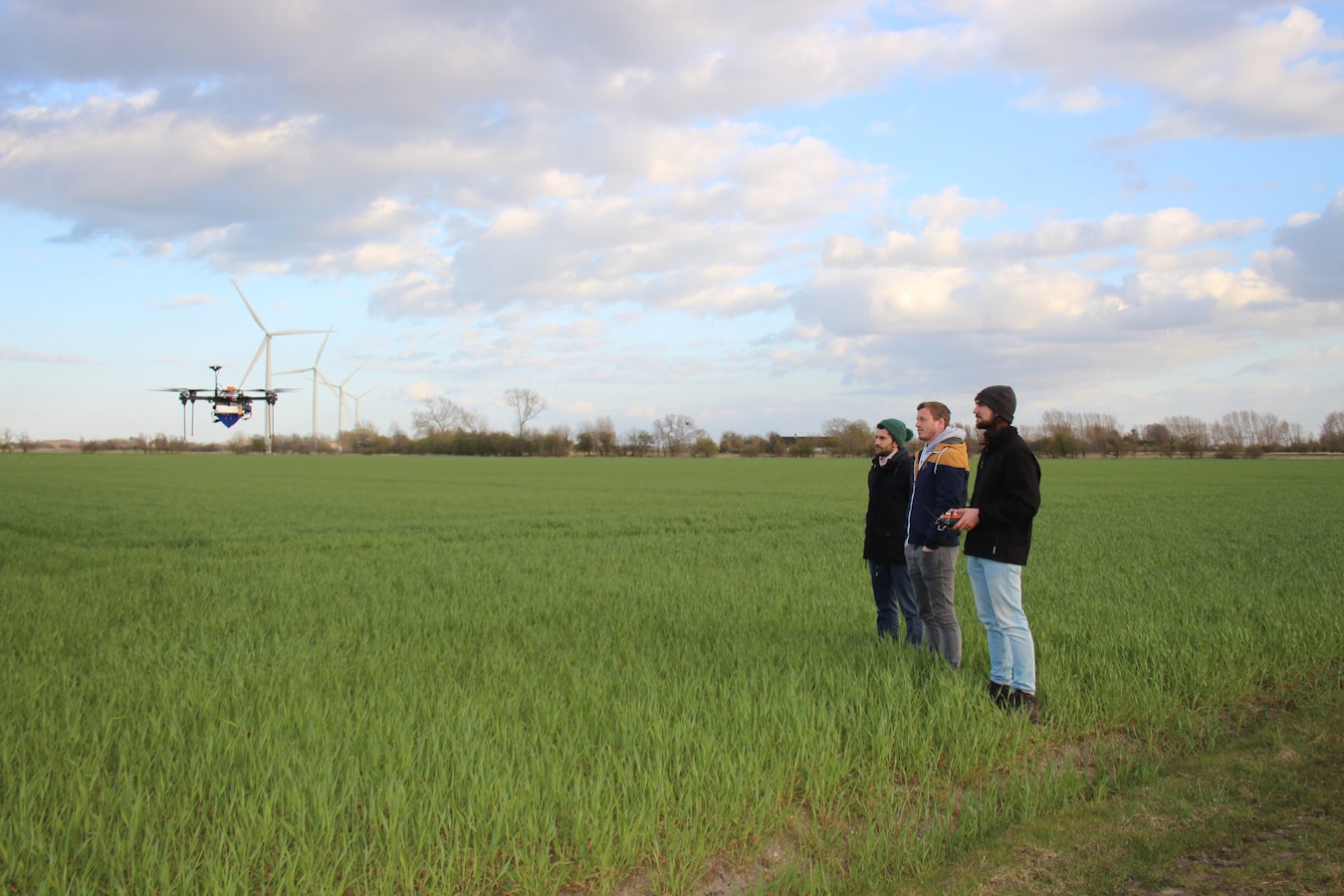
Based on satellite data and space technology, 41 startups have been established in Denmark over the past five years, creating 275 jobs and generating million kroner annual revenues. In addition, more than one hundred established companies have integrated space-based solutions into their products.
This is the conclusion of a new analysis by consultancy firm IRIS Group. Many of these entrepreneurs have received support through ESA BIC Denmark, anchored at DTU Space.
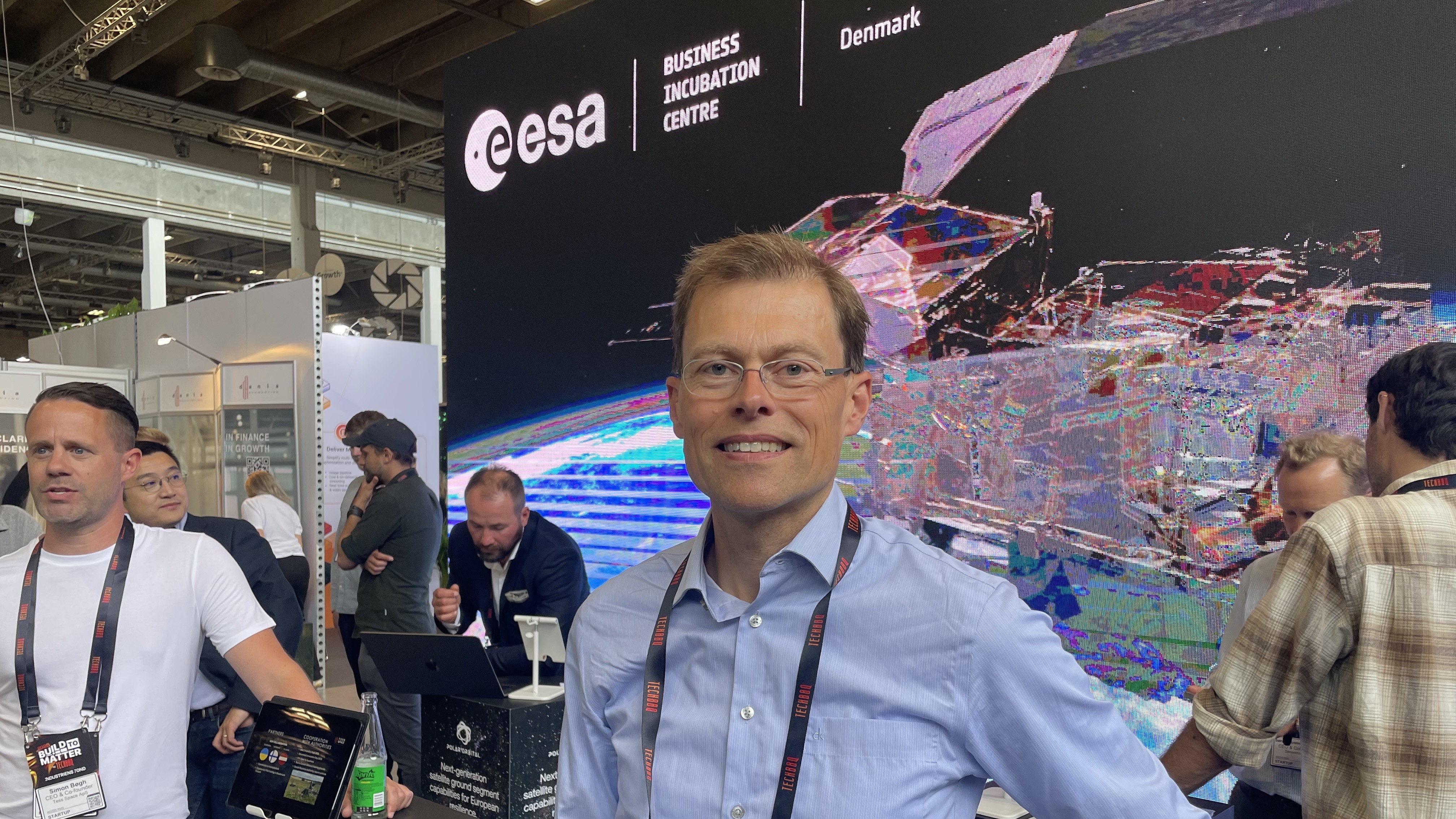
“The study shows us that these startups are performing far better than we expected when we first began supporting them,” says Sune Nordentoft Lauritsen, center leader at at DTU Space and responsible for ESA BIC Denmark, which is run in collaboration between the universities DTU, AAU, AU, and SDU.
ESA BIC Denmark identifies and supports startups and established companies with the potential to build businesses in the growing space economy. The initiative is backed by ESA, the Danish government, universities, industry, and the Danish Industry Foundation.
On average, each company has attracted around seven million DKK in capital. Of this, 84 percent comes from private investors and funds, while the remainder stems from institutional financing.
“This ability to access private capital indicates strong confidence in the potential of these companies,” says Sune Nordentoft Lauritsen.
The IRIS Group analysis is part of an independent evaluation of the various support activities.
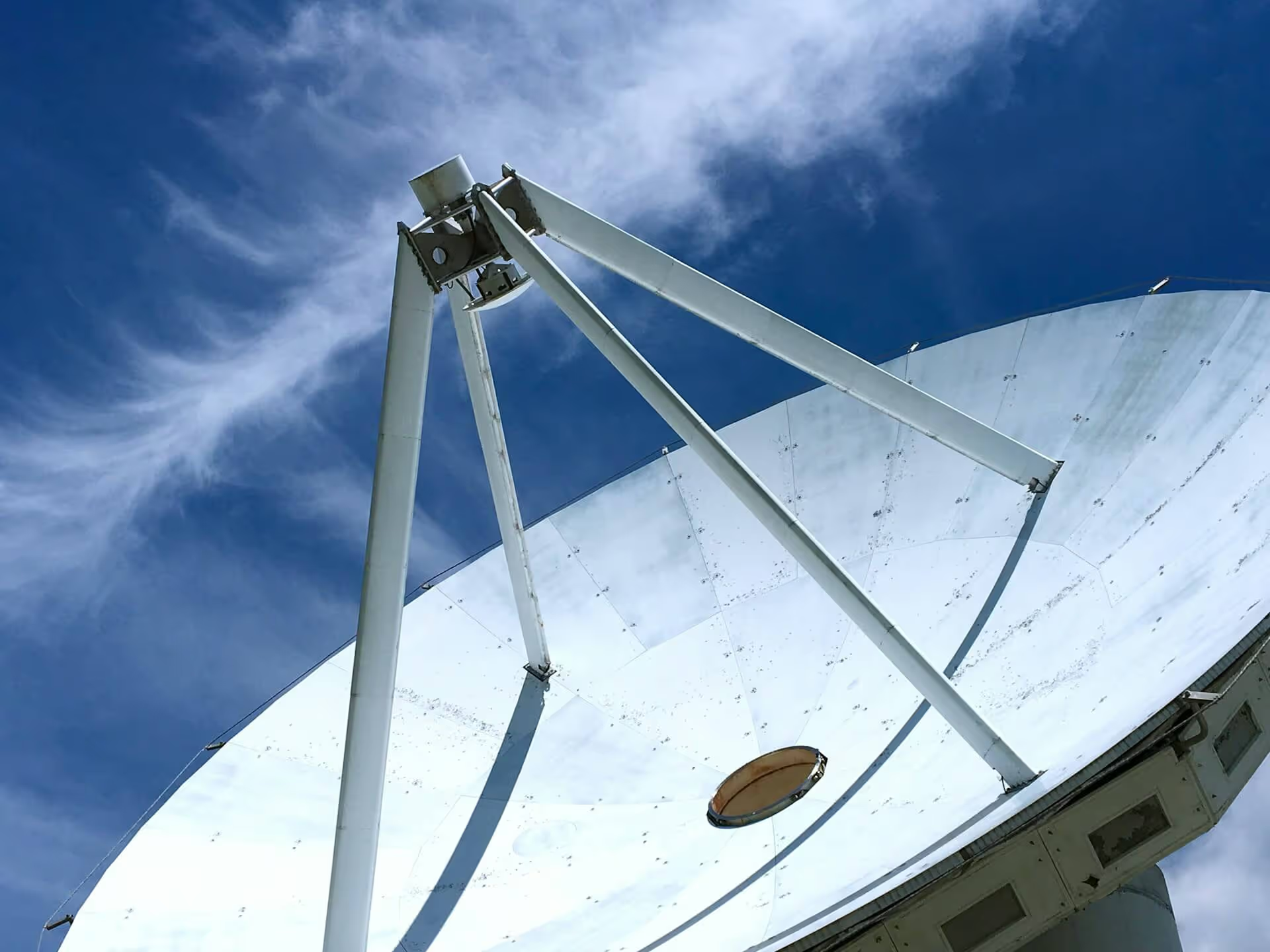
Space entrepreneurs are applying satellite data and space-based technology across a broad spectrum of products and services.
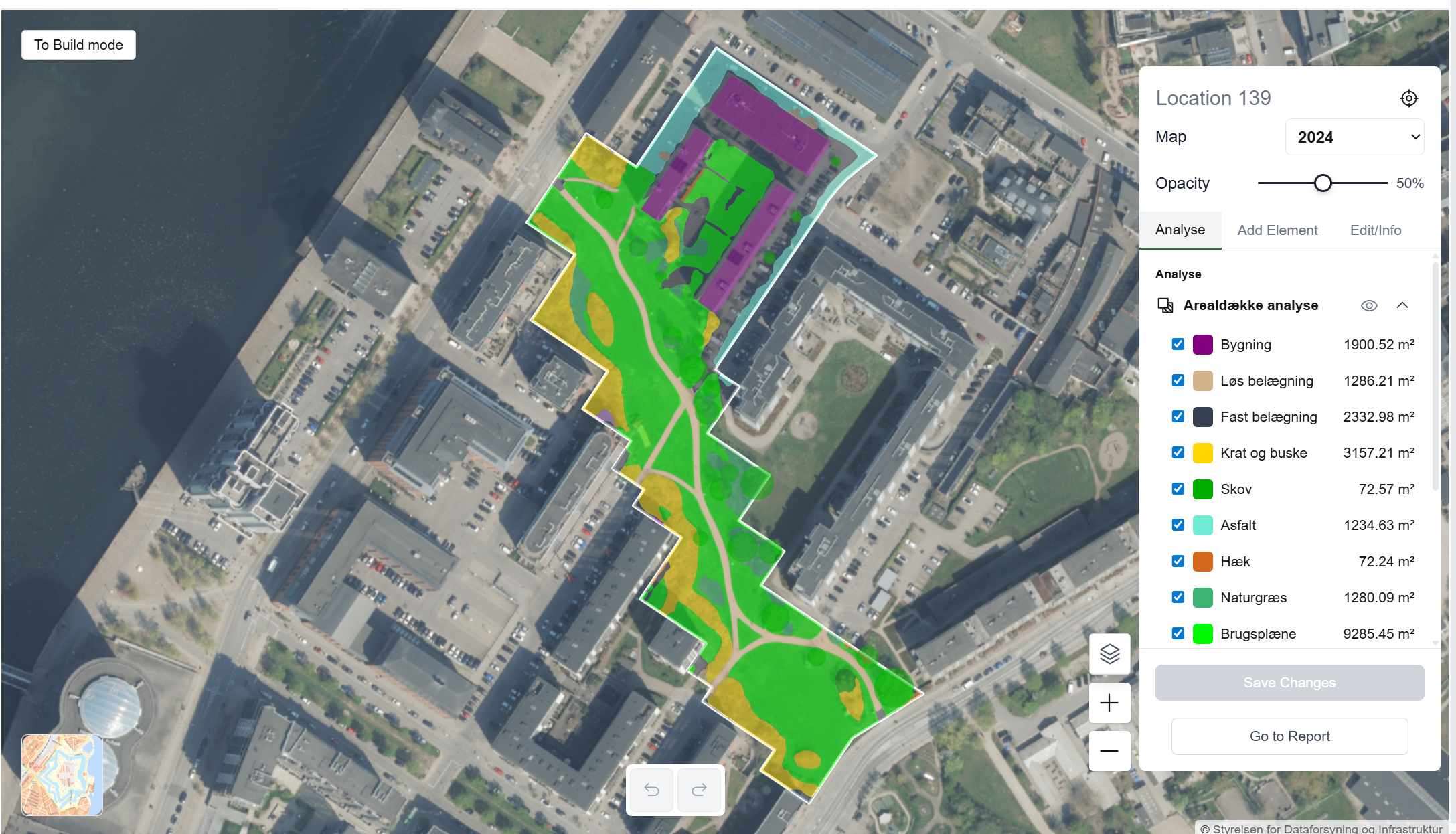
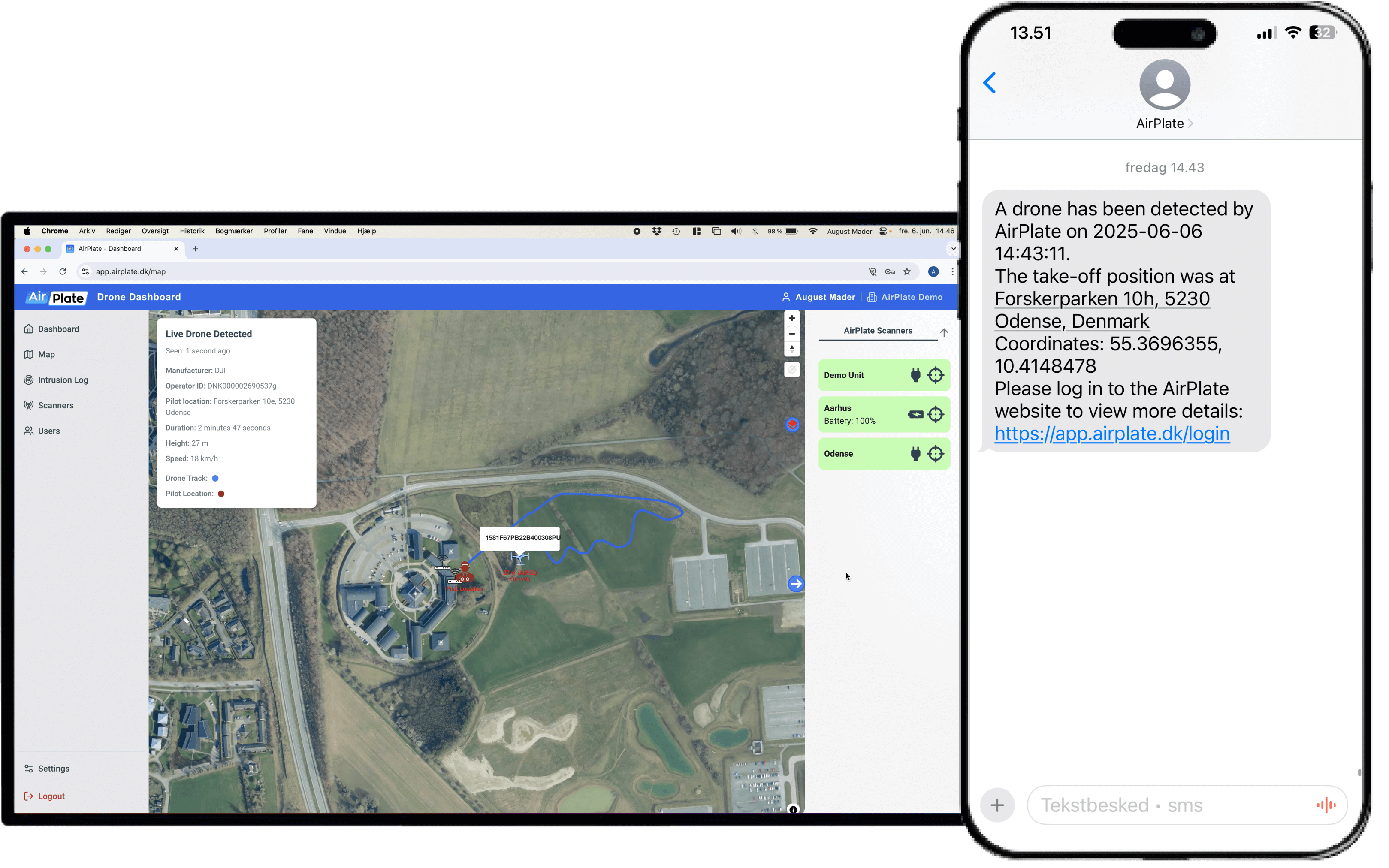
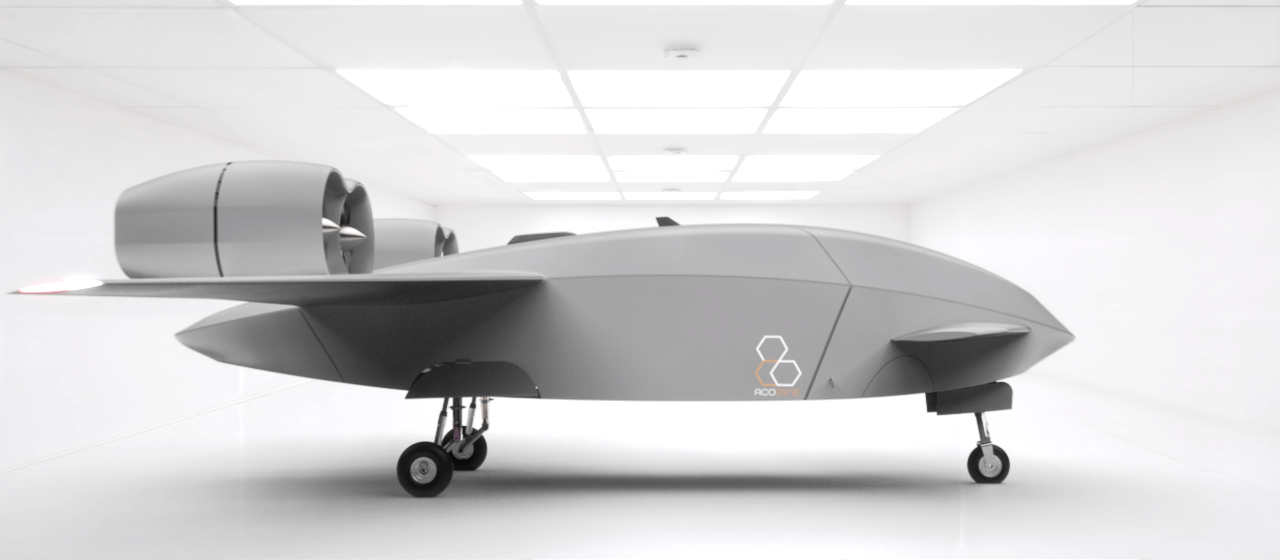
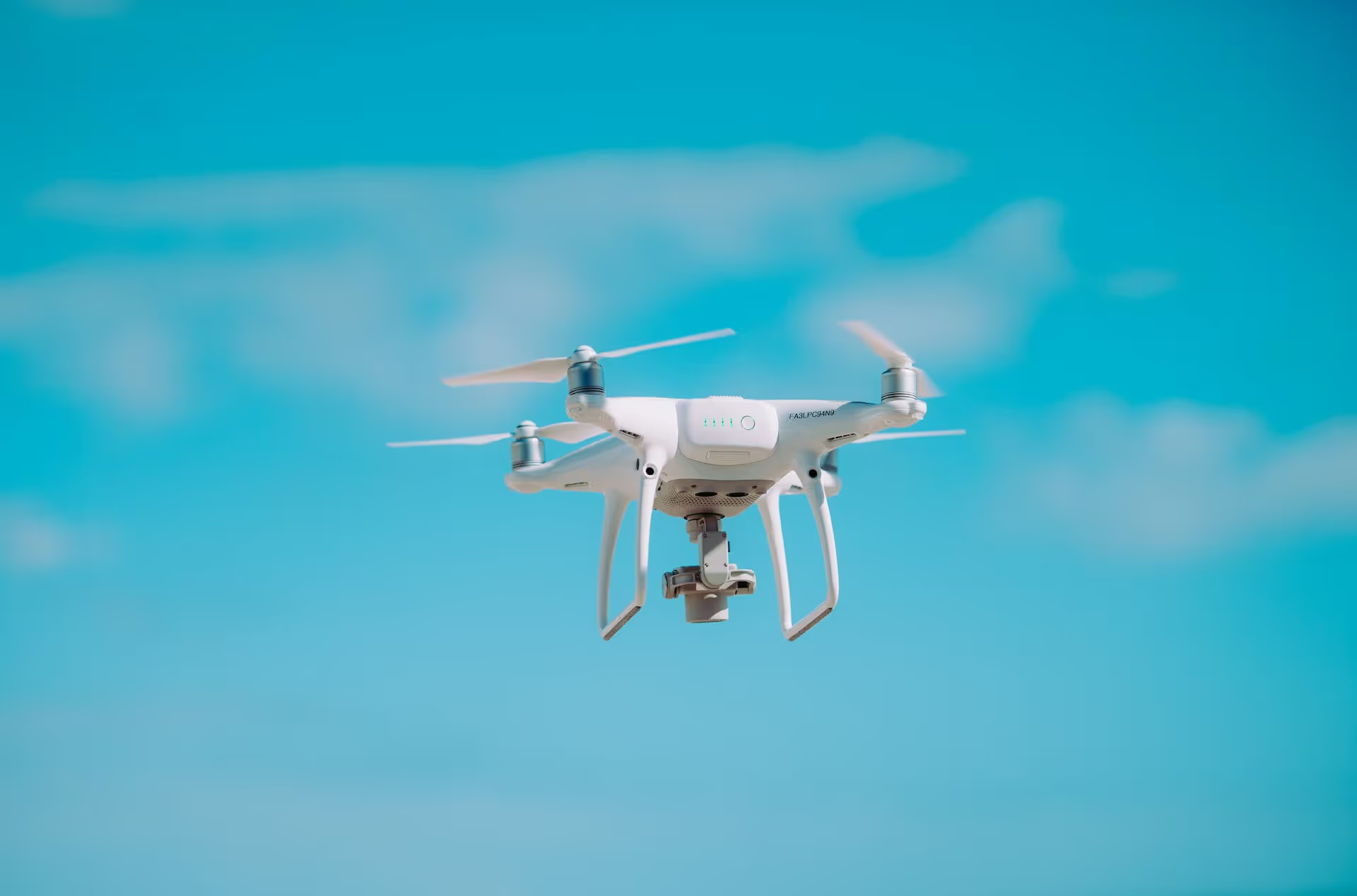
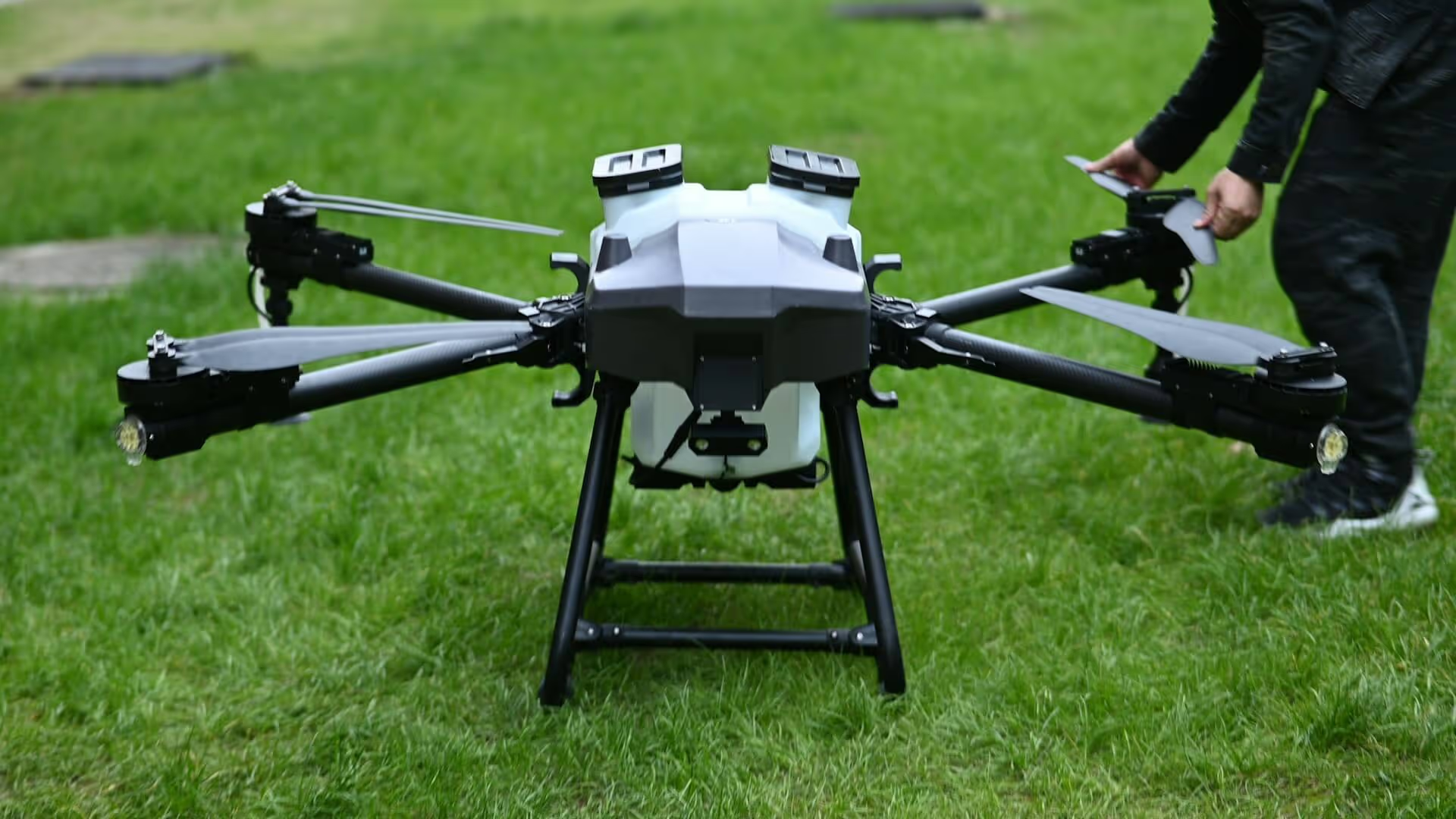
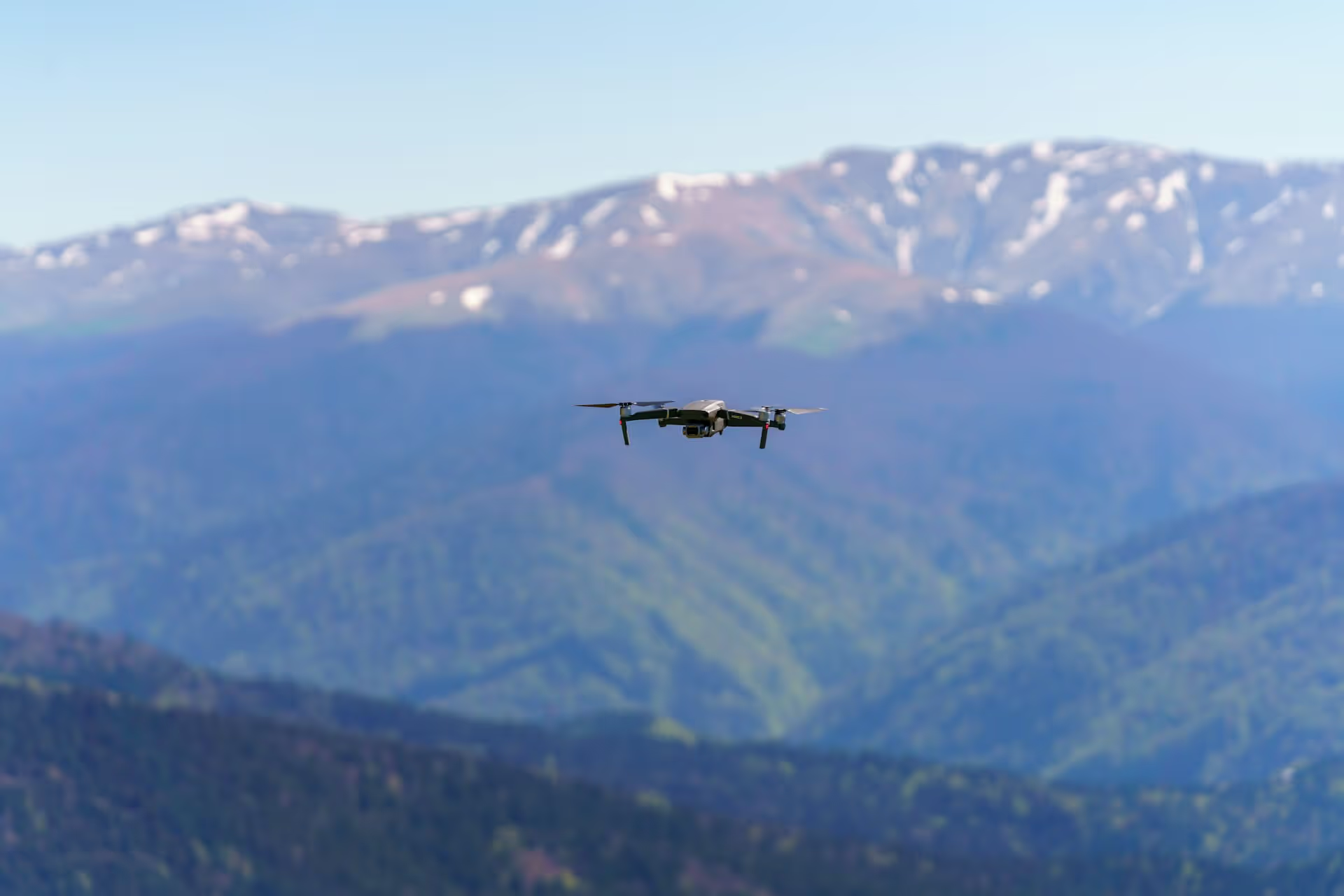
Examples include systems to protect critical infrastructure such as communications networks, support agriculture, and improve preparedness against floods and wildfires. They are also developing hospital equipment based on space technology, as well as drone systems and surveillance technology for defense purposes.
“We see a very large and inspiring diversity among space entrepreneurs,” says Sune Nordentoft Lauritsen.
“Danish companies and startups in the space sector are in a strong position. We see more startups in the space economy, for example in manufacturing and production, applying their technologies in a space context. At the same time, more and more companies are exploiting the vast amounts of satellite data available to create new businesses and solutions here on Earth”.
According to IRIS Group, the number of companies using space and space technology has grown by about 25 percent since 2018, partly due to support from ESA BIC Denmark.
But more space entrepreneurs are needed, emphasizes Sune Nordentoft Lauritsen:
“Space has become a vital critical infrastructure for Denmark. So we need more innovative space entrepreneurs who bring their knowledge and creativity into play,” he says.
“Together with existing entrepreneurs in the space sector, they can help strengthen Denmark’s and Europe’s ability to become more resilient and self-sufficient with advanced technology”.
The companies in the analysis are characterized by high-tech products, often based on ideas developed by entrepreneurs with backgrounds as researchers and engineers - many of them with a background from DTU.
ESA BIC Denmark was launched in 2020 by the European Space Agency (ESA) to support Danish entrepreneurship in the space sector with advice and startup financing.
ESA BIC organizations exist in several European countries.
“The figures show that the concept works very well. The experiences we have gained in the first five years provide a strong foundation for the coming years, as we continue to develop the space economy in Denmark,” concludes Sune Nordentoft Lauritsen.

May 18, 2026
May 14, 2026

Jul 24, 2025
%202.avif)
%202.jpg)
.png)


.jpg)










%202.png)









.jpg)

%202.avif)
















.avif)

