


Related Content

CONTACT PERSON

Amanda Borup Pedersen
ESA BIC MANAGER, DTU
BOOK A STARTUP INTRO CALL


Contact Person

Poul zimmermann nielsen
ESA Technology broker, DTU
Get in touch
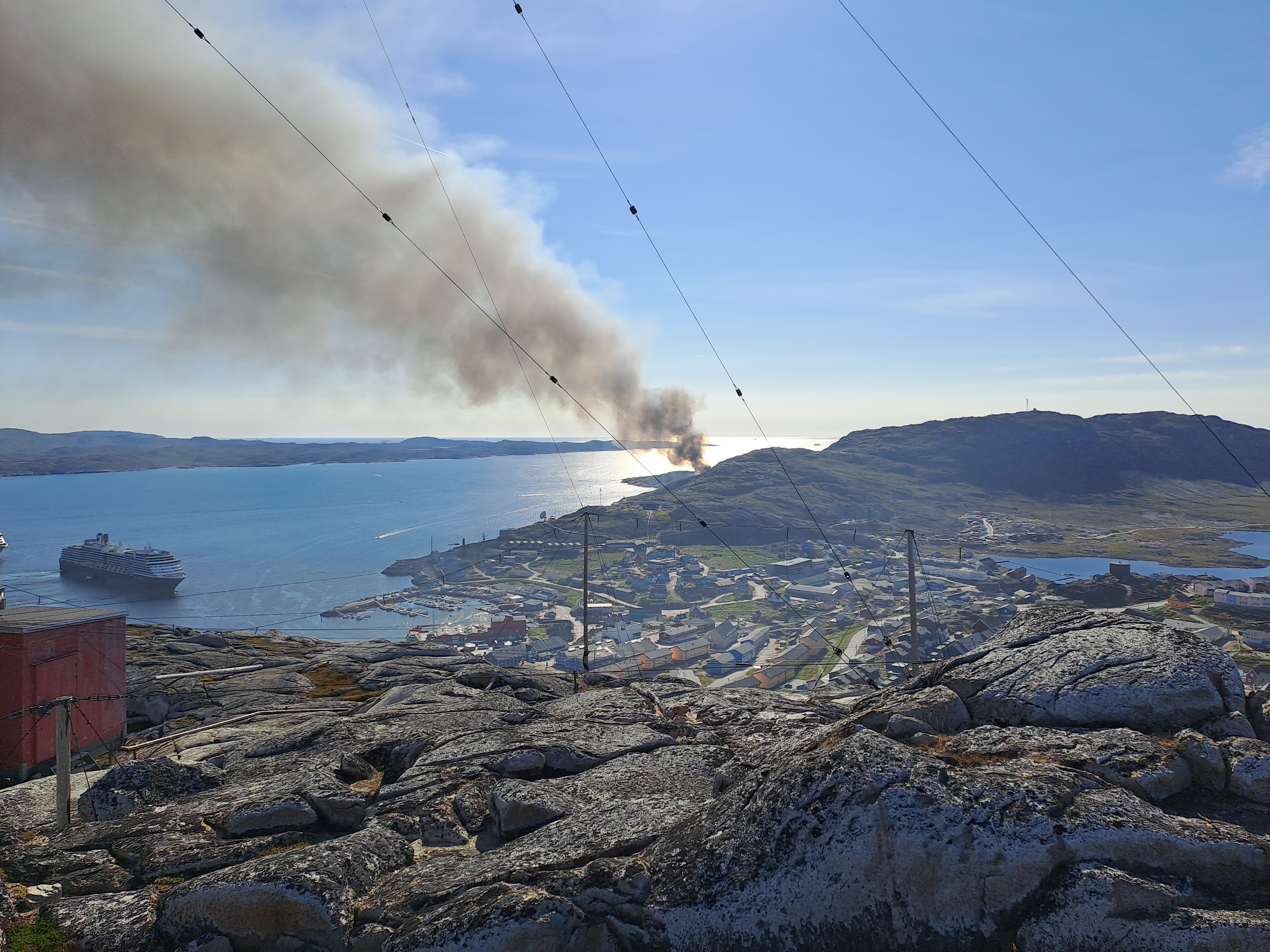

When most people think about space technology, they envision satellites orbiting Earth or rovers exploring distant planets. Few imagine autonomous boats navigating Arctic fjords or satellites guiding waste collection vessels through Greenlandic waters. Yet this is precisely what Aaveq Robotics is building, a solution to one of the Arctic's most pressing environmental challenges, enabled entirely by space-based systems.
Aaveq is part of the ESA BIC Denmark incubation program, where space technology expertise meets Earth's real-world sustainability problems. Their mission is ambitious: use autonomous, remotely-operated vessels to collect accumulated waste from remote Greenlandic settlements, a problem that conventional maritime infrastructure has been unable to solve.
This is space technology in action; on Earth where it matters most.
The Arctic's waste challenge is largely invisible to the outside world, yet it represents a critical infrastructure and environmental crisis affecting remote communities across northern regions.
In remote Greenlandic settlements, waste collection is a luxury that arrives only 4 times per year, and only when weather conditions permit large cargo ships to make the journey. For communities accessible only by helicopter or boat, waste management has essentially been outsourced to nature. The result is sobering: in some settlements, over 70 years of accumulated trash now fills pristine Arctic beaches and fjords.
Large commercial vessels simply cannot reach these remote locations. The logistics don't work. The infrastructure doesn't exist. As a result, communities face a catch-22: they produce waste that must go somewhere, but they have no viable means to transport it to proper disposal facilities.
The consequences extend far beyond unsightly coastlines. Accumulated waste poses environmental risks to fragile Arctic ecosystems, threatens water quality, and contaminates habitats for marine and wildlife species. For local communities, the visual pollution represents a loss of connection to the pristine natural environment that defines Arctic identity and cultural heritage.
When two Aaveq team members spent two months in Greenland investigating this challenge, they encountered communities that were actively searching for a solution.
The solution to Arctic waste management isn't simply about building a tough boat. It requires the sophisticated navigation, communication, and monitoring systems that were originally developed for space missions, systems that have now become essential for operating autonomous vessels in one of Earth's most challenging environments.
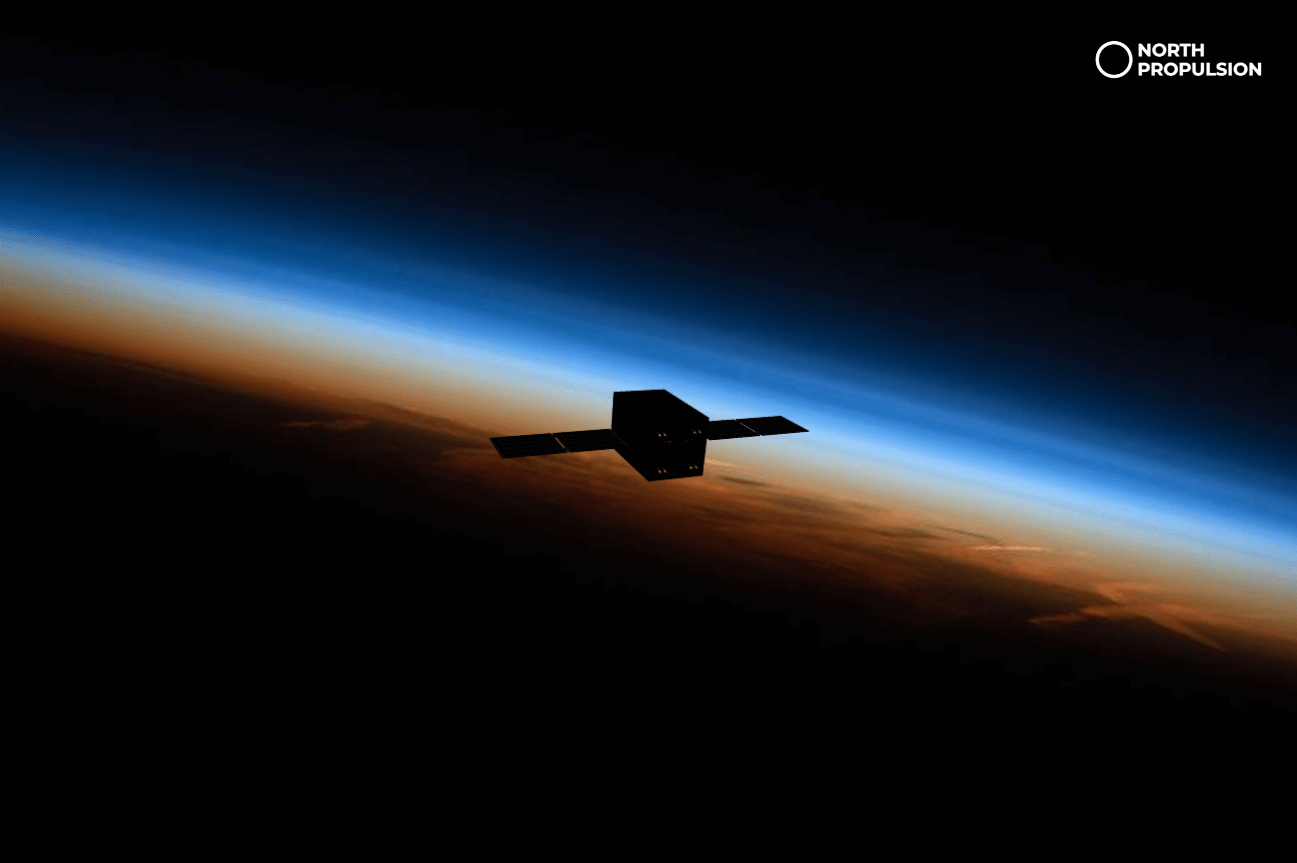
Operating autonomous vessels in the Arctic demands precision positioning in regions where terrestrial infrastructure is non-existent. Aaveq's boats rely on multi-constellation GNSS technology, which combines signals from multiple satellite networks: GPS, Galileo, and GLONASS. This redundancy is critical in polar regions where individual GNSS constellations can have signal gaps lasting hours.
These satellite positioning systems were originally developed by space agencies to guide spacecraft, but they have become the foundation for autonomous maritime operations. Without them, precise autonomous navigation in Arctic waters would be impossible.
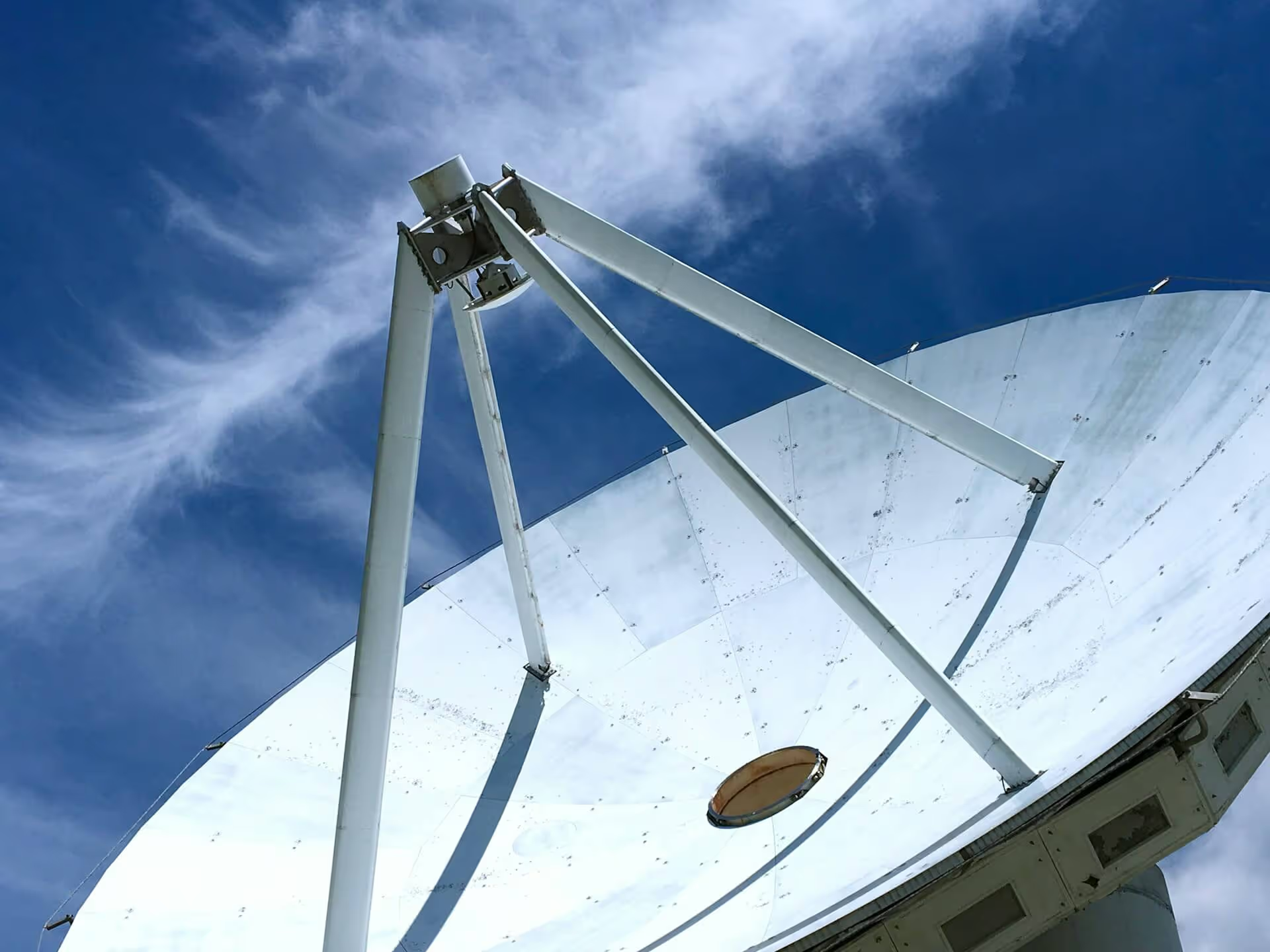
A boat operating in remote Greenland cannot rely on cellular networks. There is no 4G, no terrestrial radio infrastructure, no ground-based communication systems. Remote operation centers on shore must communicate with autonomous vessels through satellite links.
Real-time Earth observation data from satellites provides critical information for Arctic maritime operations: ice extent and concentration, weather patterns, sea surface temperatures, and coastal features. This information helps Aaveq plan safe routes, identify optimal weather windows for collection missions, and avoid hazardous conditions.
Earth observation has become essential for understanding Arctic conditions, and Aaveq leverages this data to ensure their autonomous vessels operate safely in an environment that is inherently unpredictable and frequently hostile.
Rather than waiting for large ships to visit remote settlements, Aaveq has inverted the logistics model entirely.
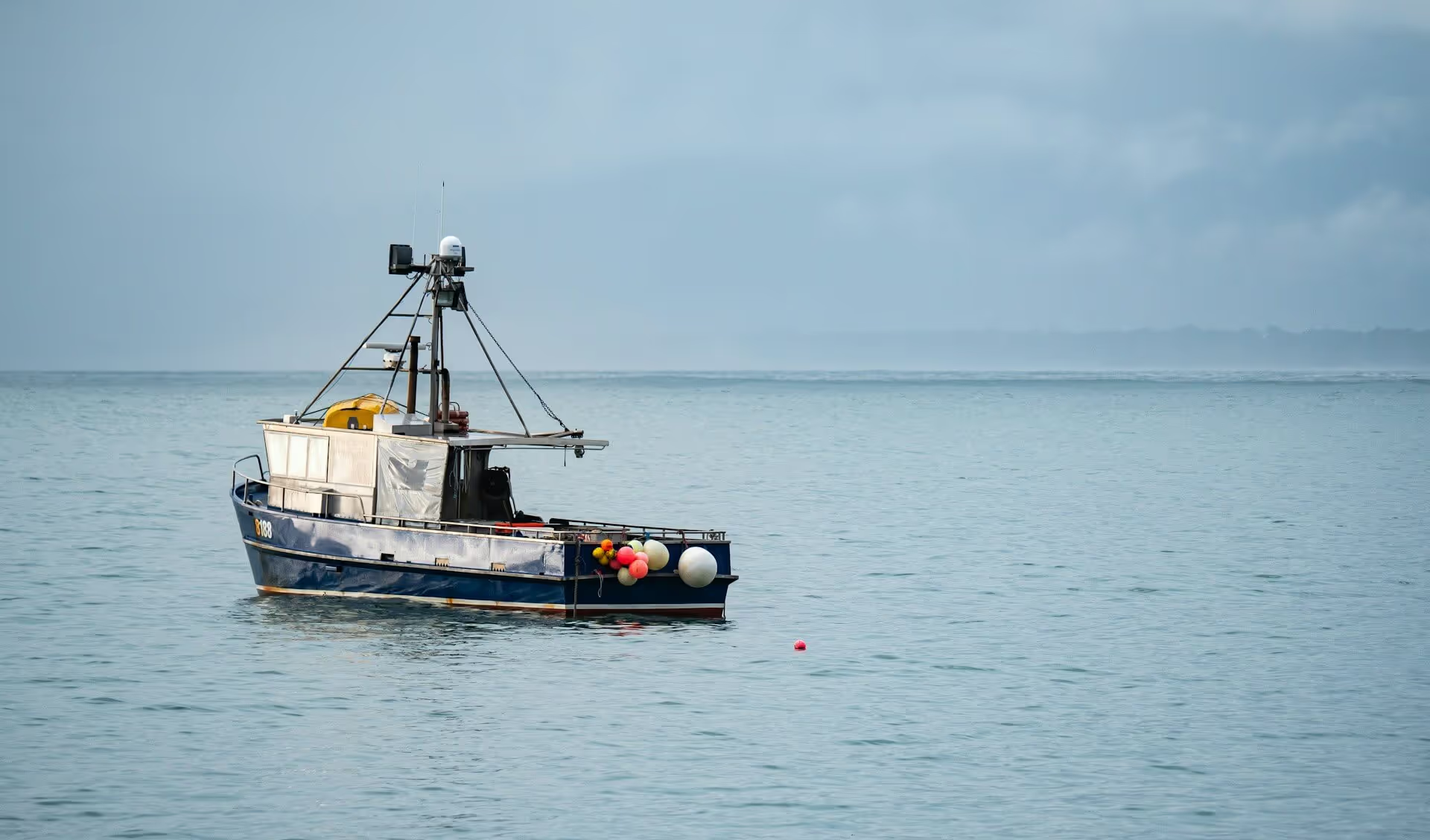
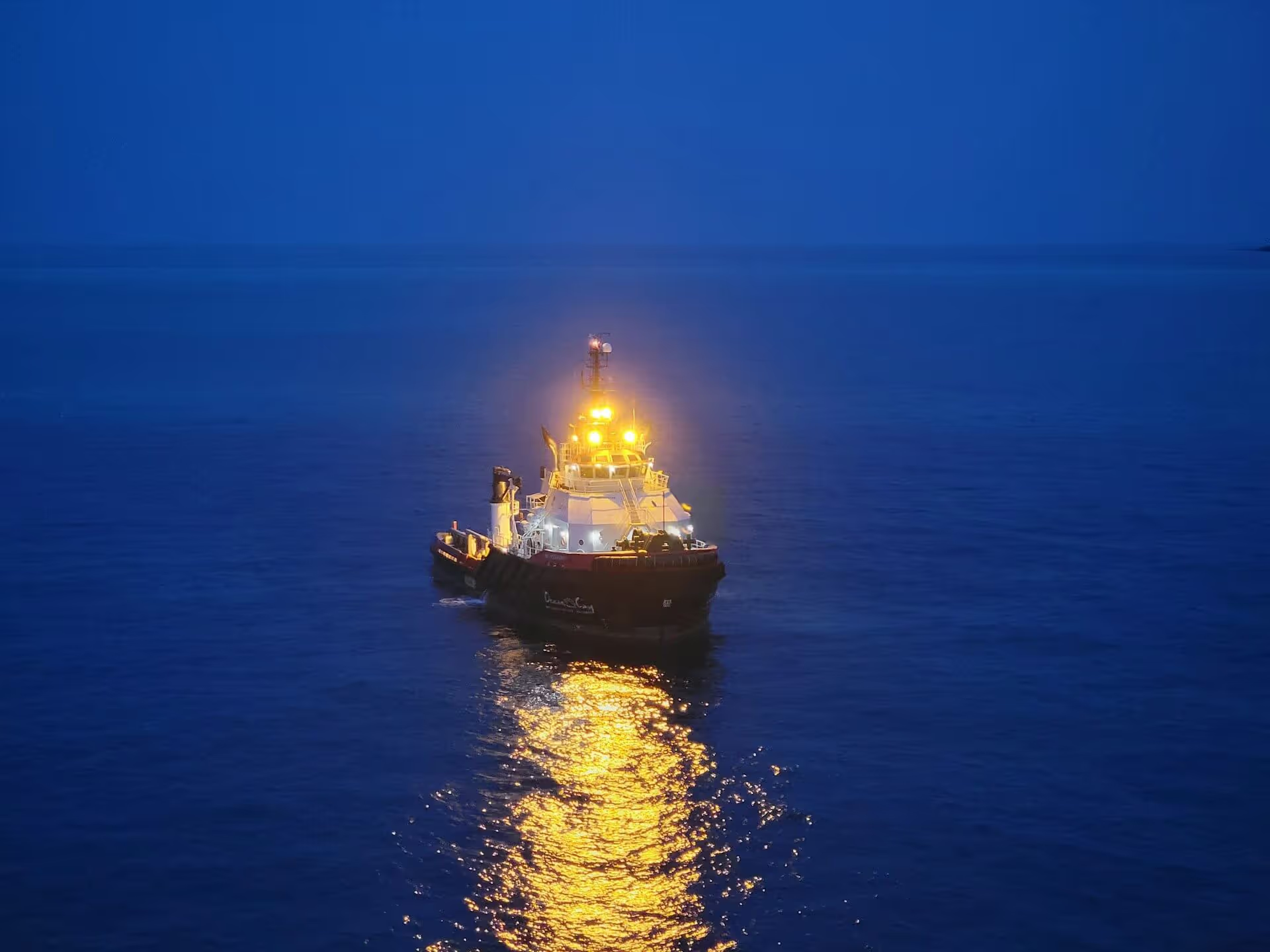
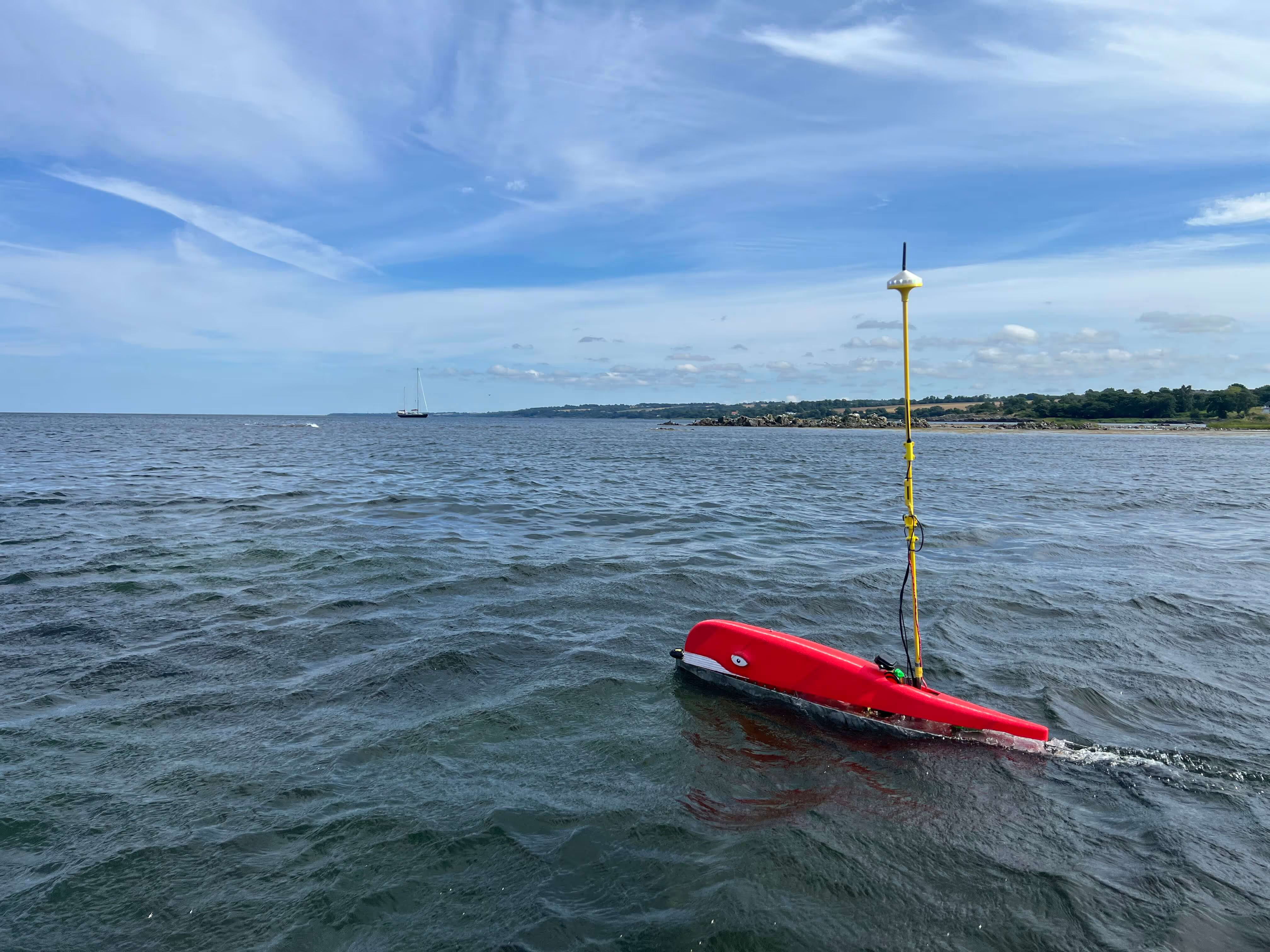
Aaveq's remotely-operated autonomous vessels are stationed in major Greenlandic towns. When weather conditions are favorable, identified through satellite Earth observation data and sophisticated forecasting, these tough, naval-grade vessels autonomously navigate to remote settlements using satellite positioning systems. Upon arrival, they collect waste using advanced sensors and cameras, then return to central collection points where the waste can be processed or transported to larger facilities via conventional logistics.
The vessels operate under remote supervision from shore-based control centers, where operators monitor vessel status, sensor data, and navigation in real-time via satellite communications. This creates a new category of maritime infrastructure: autonomous waste collection "trucks" that sail between communities.
Aaveq describes their boat's personality in three words: tough, naval, and humorous. In Greenlandic, "aaveq" means walrus – an animal perfectly adapted to Arctic conditions, capable, resilient, and unbothered by harsh weather. The team embraced this metaphor: their vessel is an autonomous walrus, laughing at bad weather and built to thrive in conditions where conventional maritime logistics fails.
Aaveq's integration into the ESA BIC Denmark incubation program is not incidental – it is strategically essential to their success. The program provides exactly what a space-enabled startup needs to scale.
The ESA Business Incubation Centre in Denmark supports startups that apply space technologies to real-world challenges. For Aaveq, this includes:
As Aaveq moves from concept to scaled operations, the coming months and years will determine whether autonomous, space-enabled waste collection can work at commercial scale in Arctic conditions. Early technical validation is underway, and the ESA BIC Denmark program provides the resources and expertise to de-risk development.
For investors, entrepreneurs, and technology leaders watching this space, Aaveq represents something important: proof that space technology innovation can solve some of Earth's most pressing sustainability challenges. The Arctic's waste crisis is not unique, it is emblematic of broader infrastructure gaps in remote and underserved regions worldwide.
The question is no longer whether space technology can be applied to Earth-based problems. Companies like Aaveq are demonstrating that it already is and the results are transformative.

May 18, 2026
May 14, 2026

Jul 24, 2025
%202.avif)
%202.jpg)
.png)


.jpg)







%202.png)








.jpg)

%202.avif)









.avif)

