


Related Content

CONTACT PERSON

Amanda Borup Pedersen
ESA BIC MANAGER, DTU
BOOK A STARTUP INTRO CALL


Contact Person

Poul zimmermann nielsen
ESA Technology broker, DTU
Get in touch


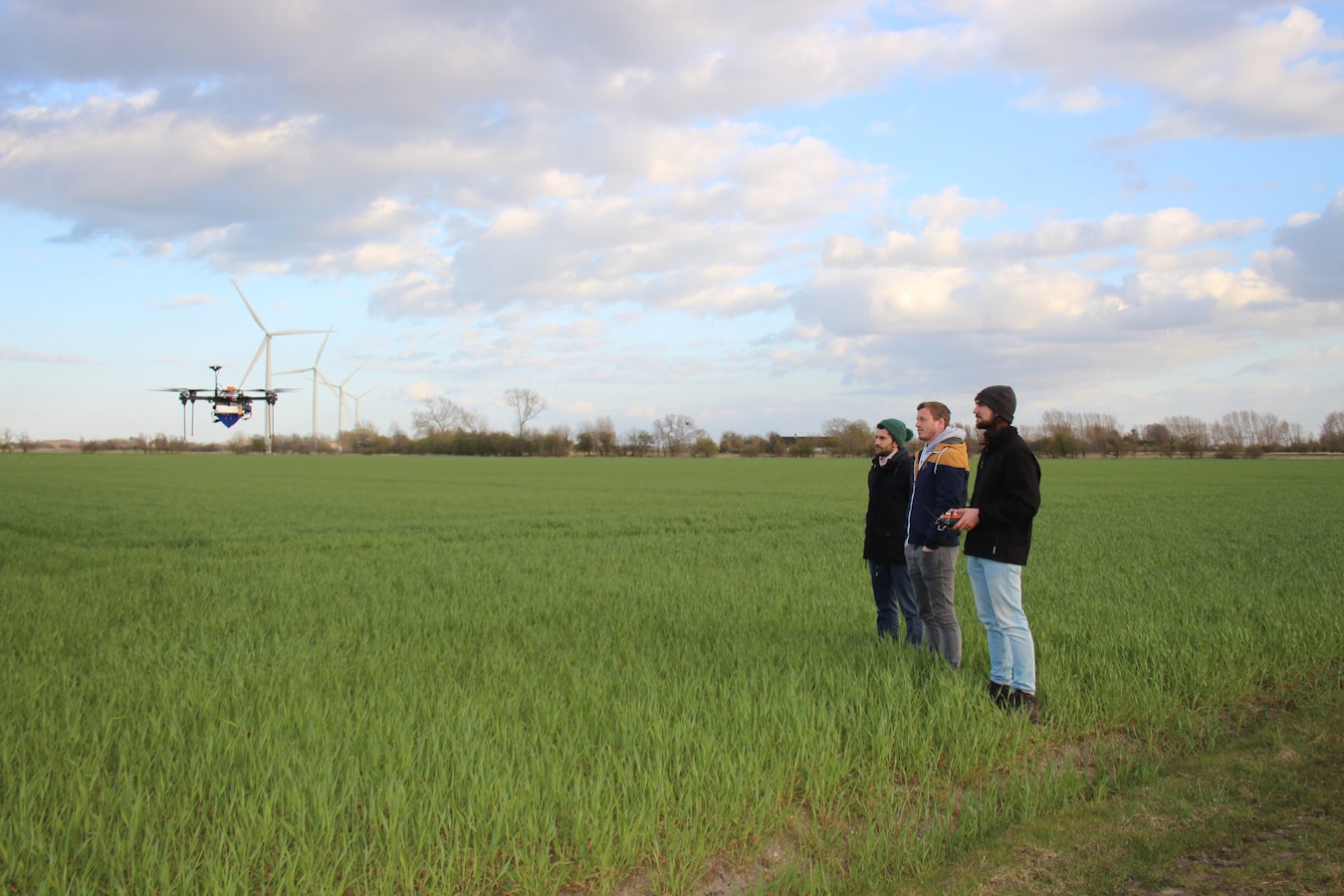
GreenGuard Automation develops a tractor‑mounted, laser‑based weed control system that uses advanced vision, robotics and satellite data to give farmers chemical‑free, precise and cost‑efficient weeding in high‑value crops.
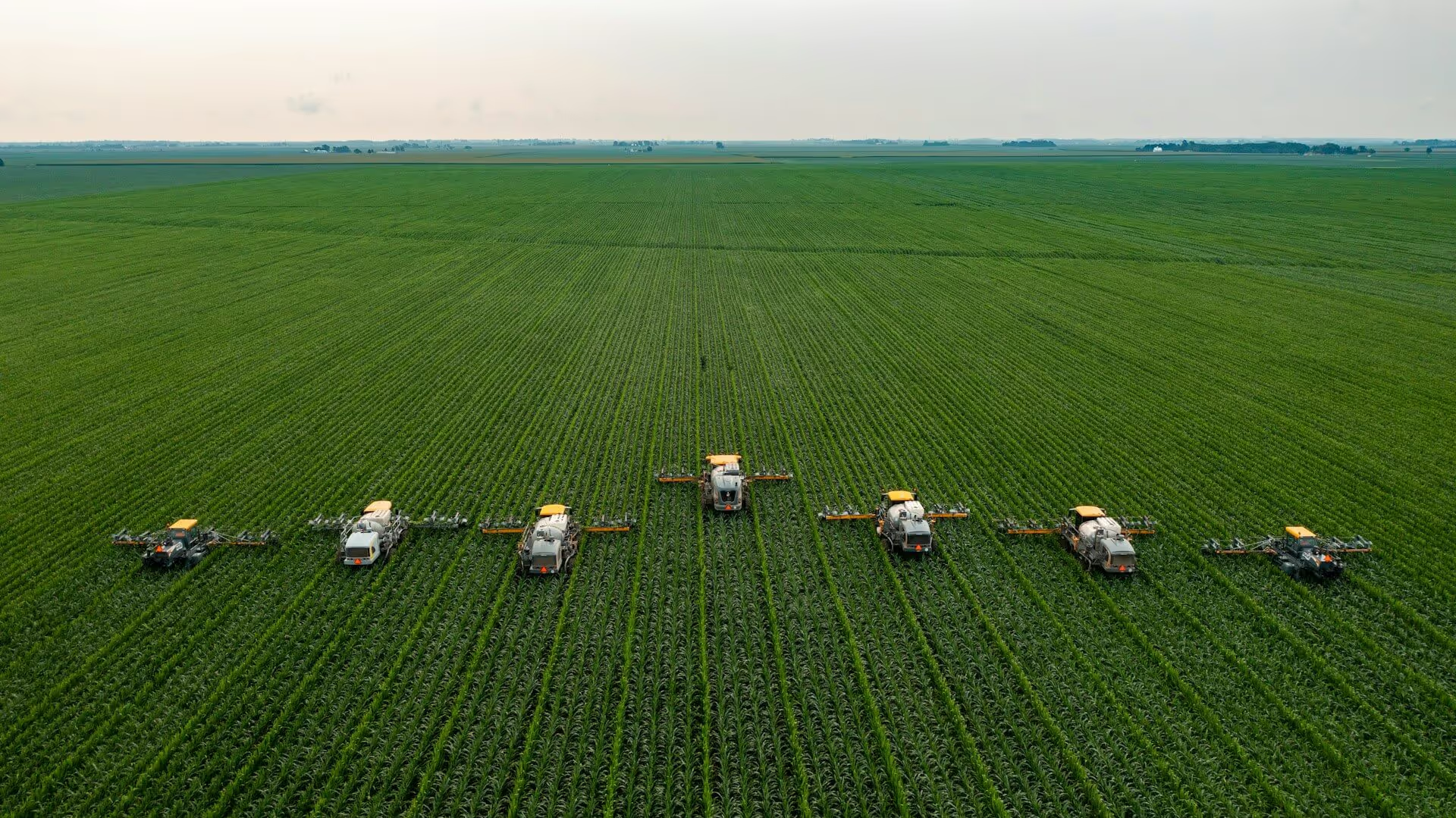
Modern agriculture stands in a difficult balance. On one side, farmers face pressure to reduce pesticide use, protect biodiversity and meet stricter environmental standards. On the other, weeds continue to cause significant yield losses and organic growers in particular spend enormous time and money on manual weeding.
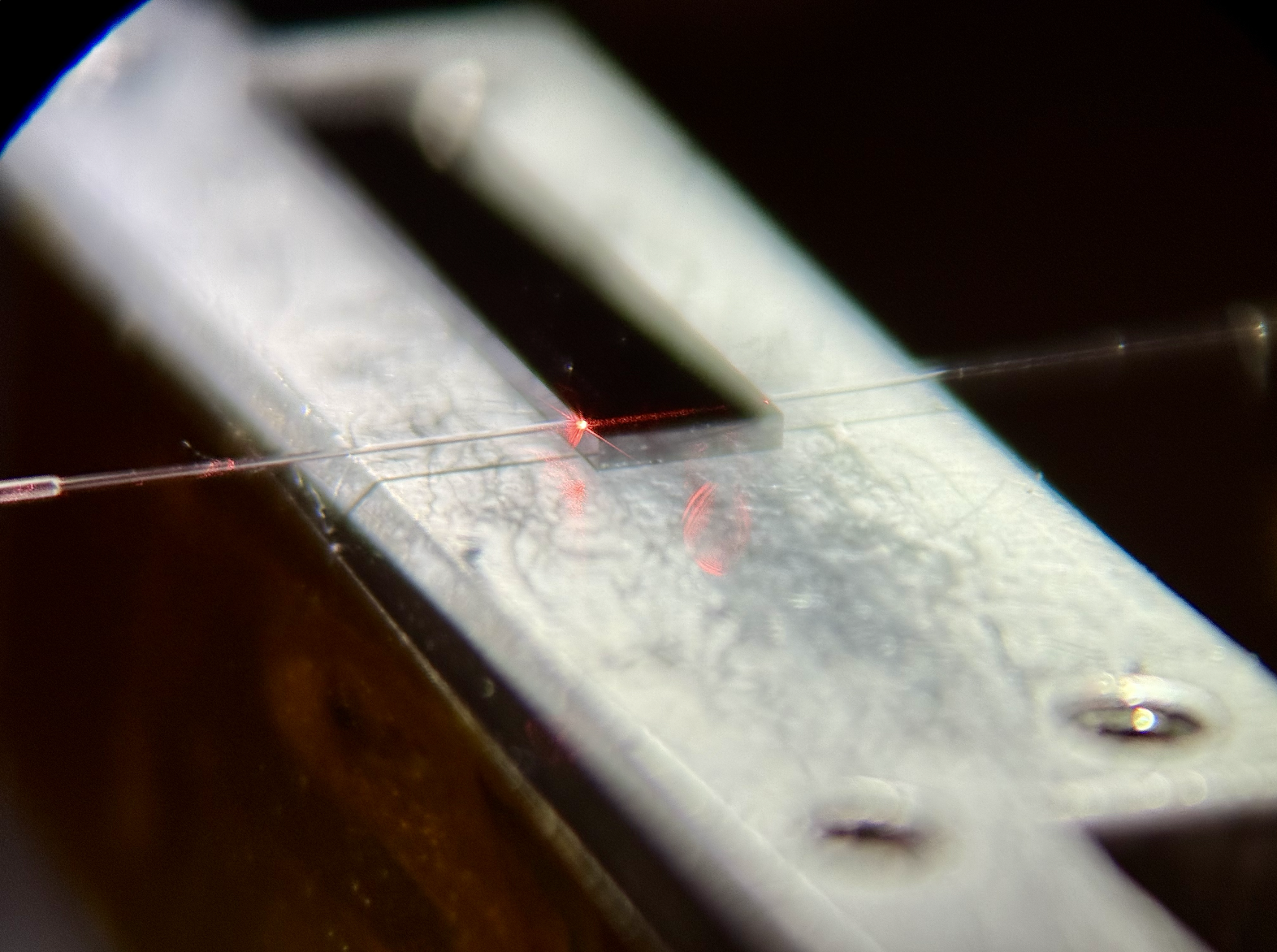
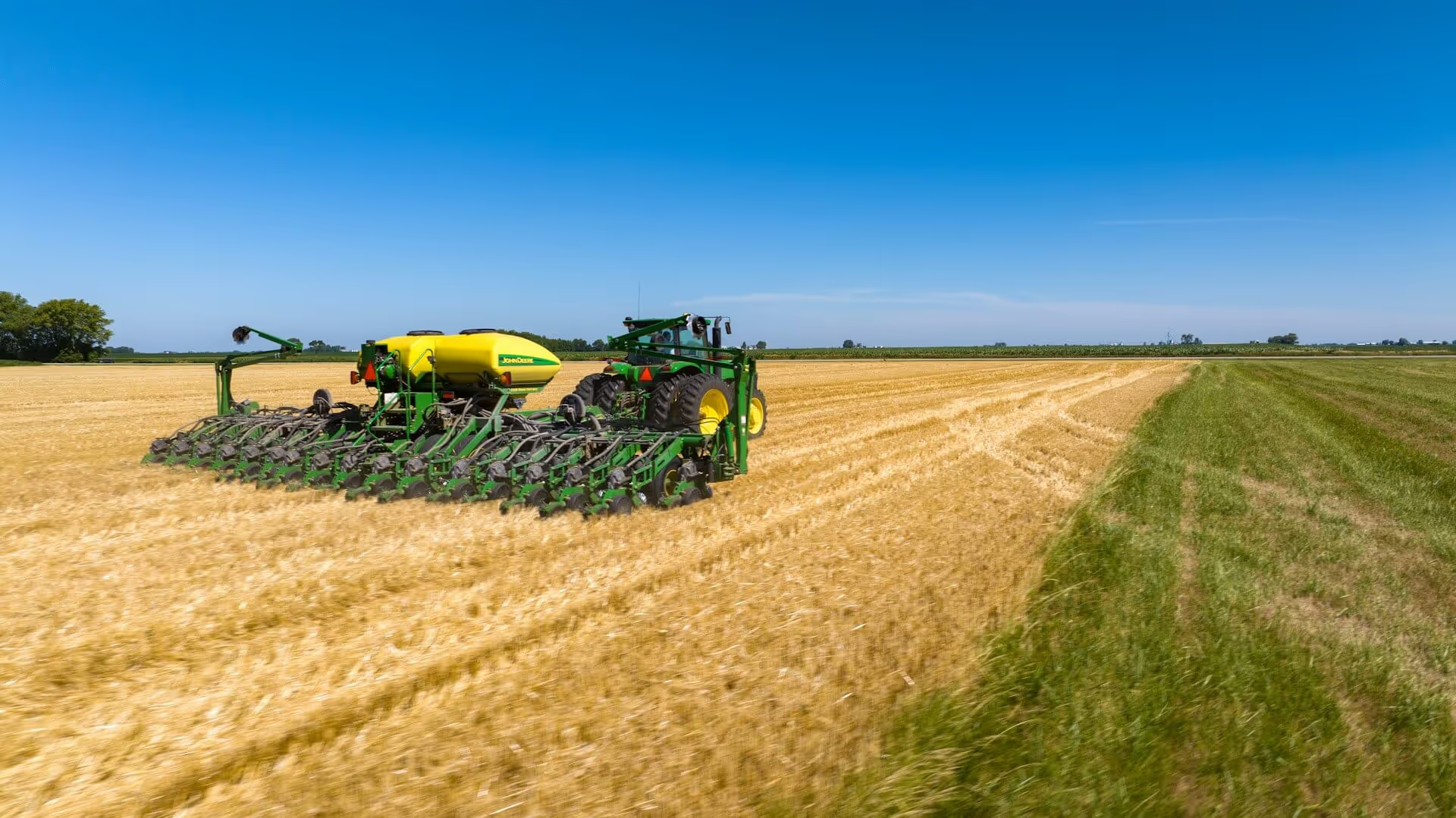
GreenGuard is building what they describe as Europe’s first tractor‑mounted laser system for weed control. Mounted on standard machinery and aimed at high‑value crops, their system is designed to recognise individual weeds in the row and neutralise them with high‑precision laser pulses instead of herbicides. The goal is simple to state but challenging to achieve: kemifri præcisionsukrudtsbekæmpelse – chemical‑free precision weed control that makes it possible for farmers to grow more sustainably and far more cost‑effectively.
Behind the concept sits a multidisciplinary technology stack. GreenGuard combines:
Instead of spraying an entire bed or sending crews into the field with hoes, the GreenGuard system looks at each plant, decides if it is crop or weed, and applies a laser pulse only where needed.
GreenGuard’s development strategy is deliberately focused. The company has set itself one main goal: bring a fully functional, laser‑based weed control solution to market, and then scale it across Northern Europe.
The system is being developed as a tractor‑mounted solution rather than a standalone robot, ensuring compatibility with equipment farmers already own. That choice lowers adoption barriers and reflects a pragmatic understanding of how new technology can fit into existing operations rather than asking growers to change everything at once.
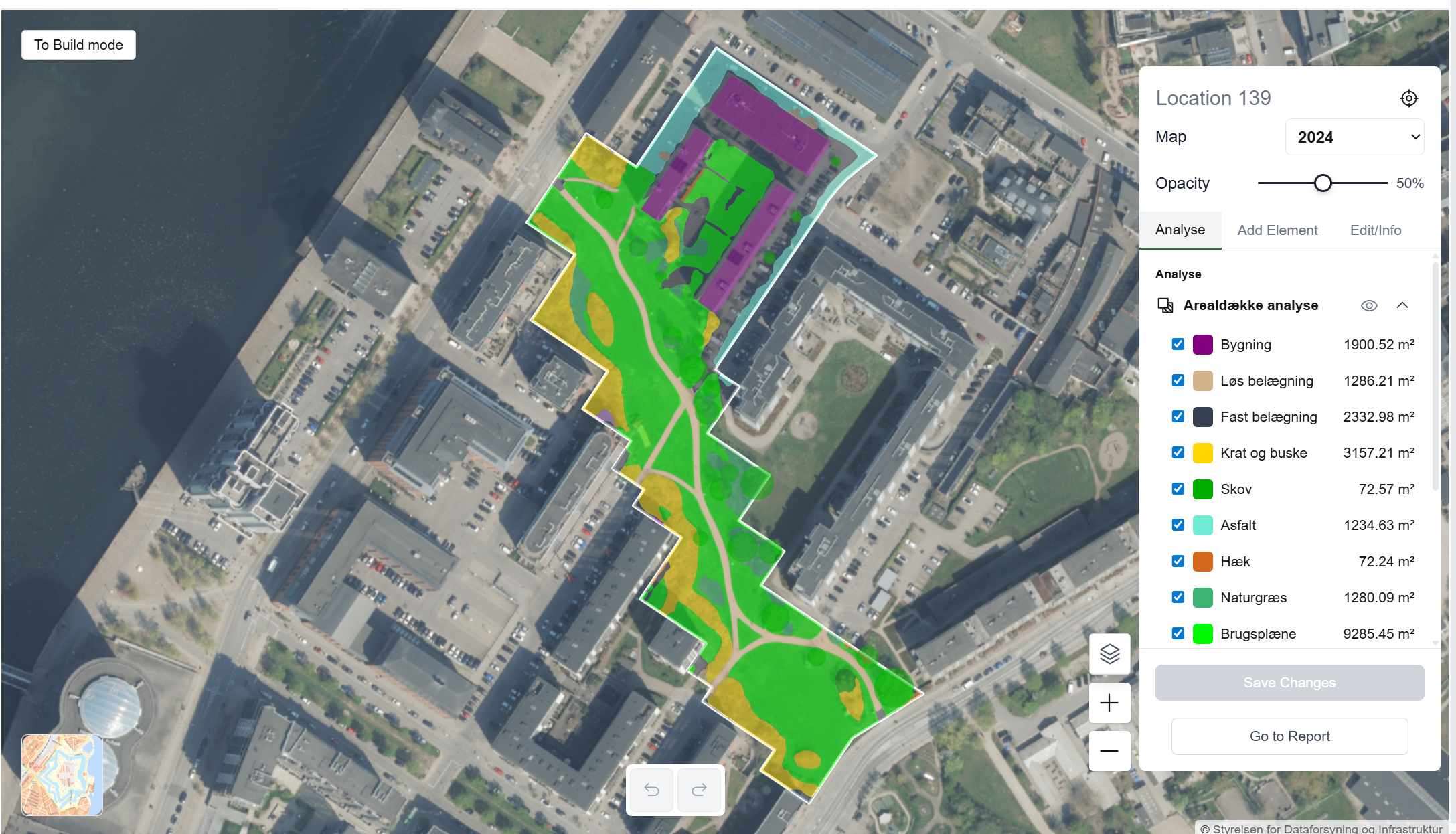
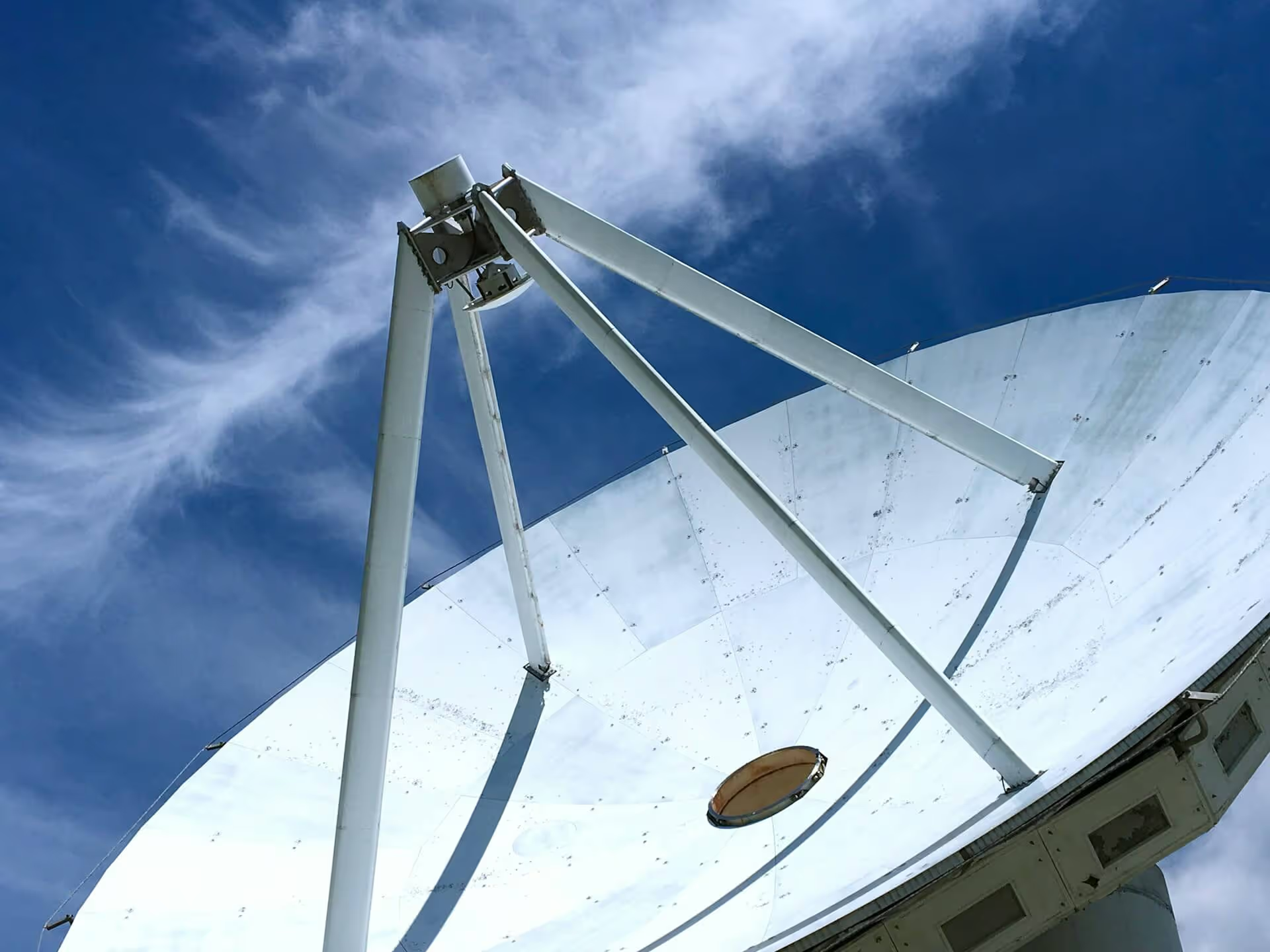
While GreenGuard’s core is very much on the ground, the company explicitly notes that it uses satellite and area data for planning. This aligns with a broader ESA BIC perspective: Earth observation and geospatial data can help agriculture plan interventions more intelligently. It helps identifying fields or zones with higher weed pressure, optimising routes and timing, and documenting the impact of interventions over time.
Ultimately, GreenGuard’s mission can be summarised in one sentence: develop the next generation of chemical‑free, precise and cost‑effective weed control for high‑value crops. Behind that mission sit broader implications:
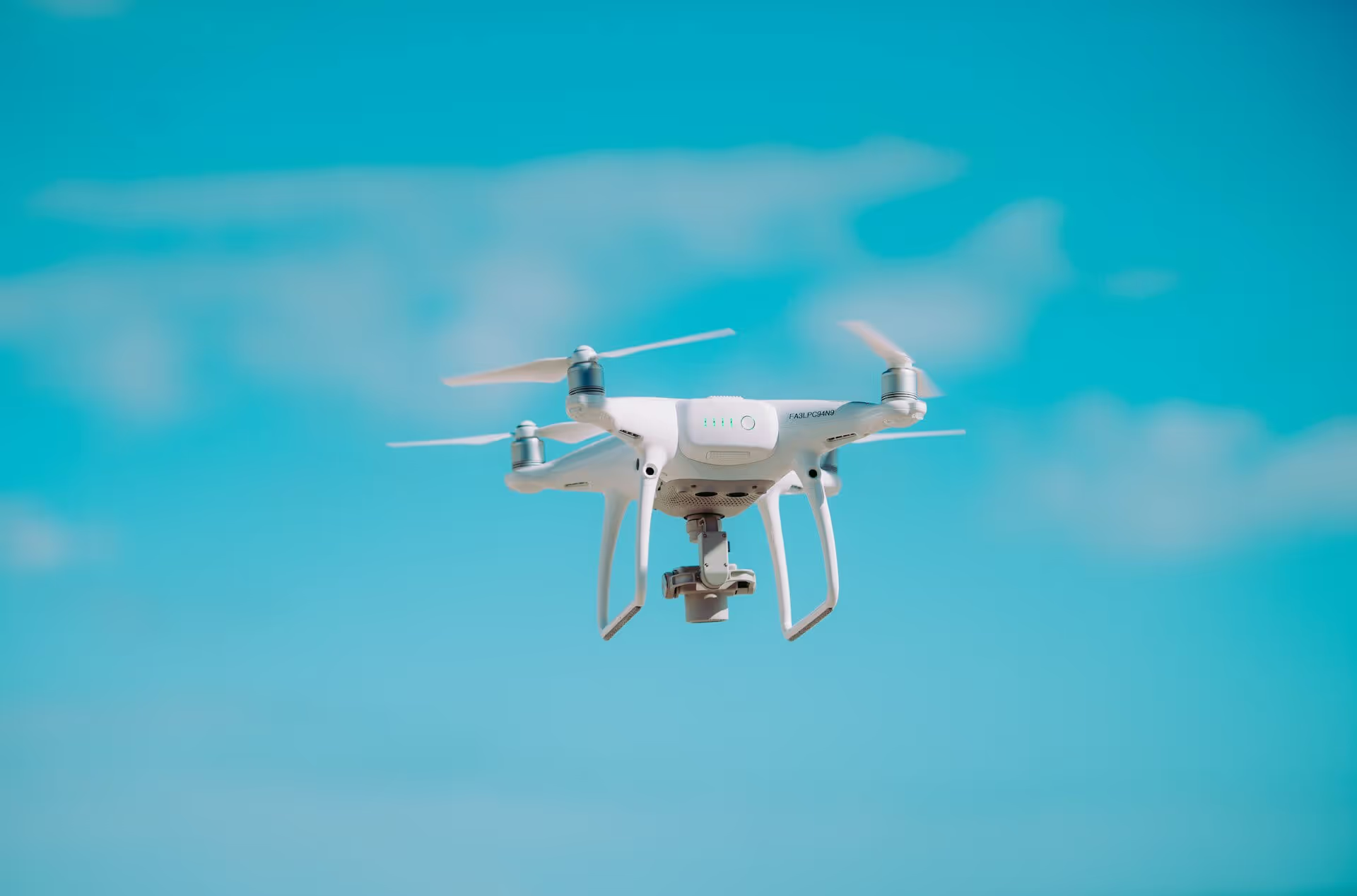
If the team succeeds, future images of sustainable farming may include more than just drones and sensors – they may show tractor‑mounted laser systems silently removing weeds, guided both by cameras centimetres above the soil and by satellite data hundreds of kilometres above the Earth.

May 18, 2026

May 14, 2026

Jul 24, 2025
%202.avif)
%202.jpg)
.png)


.jpg)








%202.png)







.jpg)
%202.avif)












.avif)

