






Finance & Insurance
Insurance and financial services, including banks, stock exchanges, and insurers, can greatly benefit from Earth Observations technology

Space data is becoming an integral part of insurance and finance
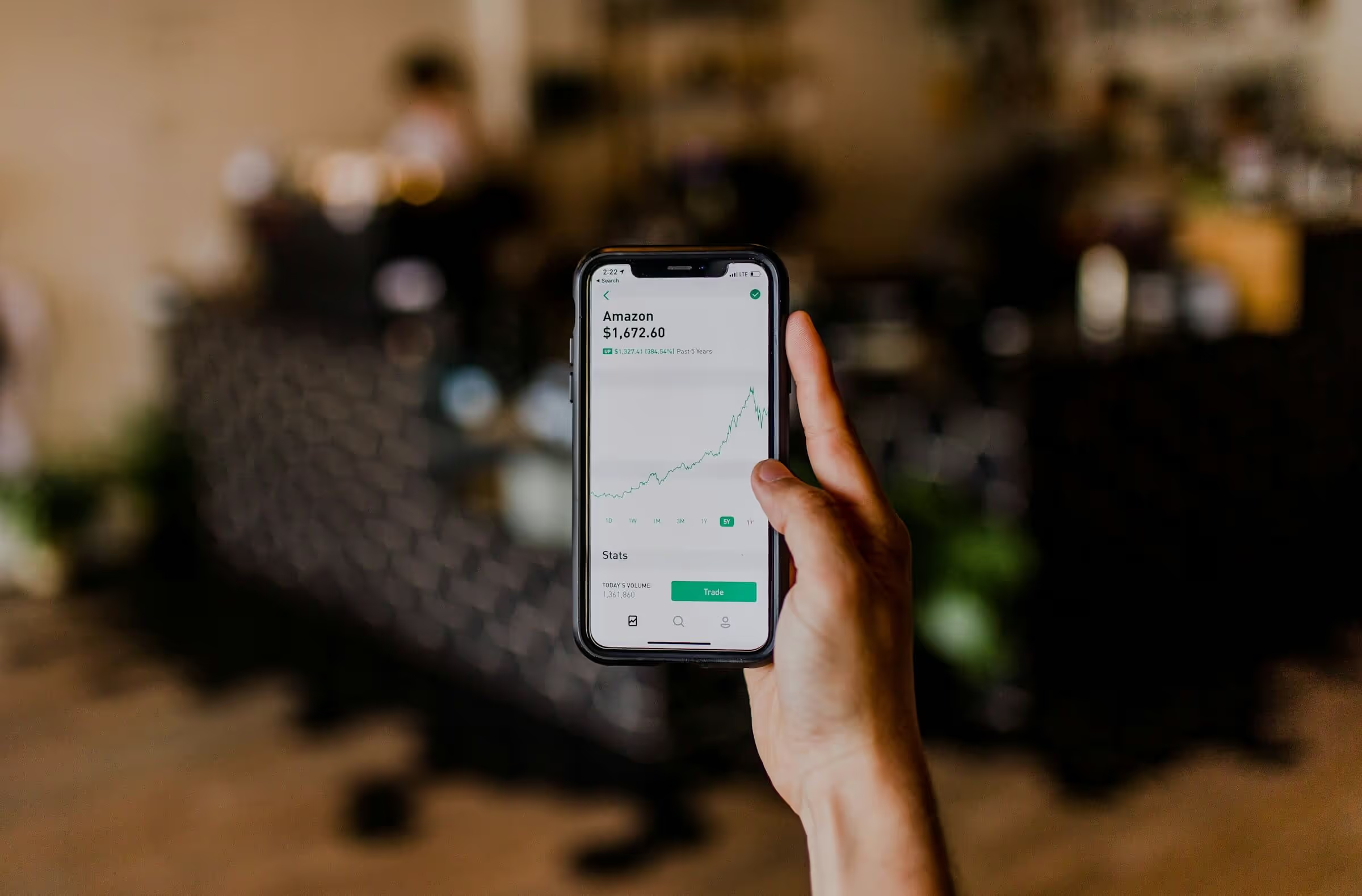
The finance and insurance sectors are expected to lead the growth in Earth Observation (EO) data and services, with revenues projected to reach around 7 billion EUR between 2023 and 2033. This growth is driven by advancements in high-resolution satellite data, which offer new opportunities for commodity traders and other applications. Commodities trading, in particular, is set to see a 30% annual growth rate, reaching 360 million EUR by 2033.
EO is also becoming crucial for improving risk models in the insurance industry, especially in the face of climate change. By integrating EO data with other technologies like machine learning, insurers can create more accurate predictions, leading to better pricing strategies and risk management. In addition, EO helps financial institutions assess environmental risks and contributes to transparency in carbon markets by verifying carbon credits and supporting sustainable investing.
How finance and insurance companies use earth observations

Earth Observations (EO) helps insurance companies assess damage, manage claims, and predict weather-related risks. This is done by using event footprints, creating indices for parametric products, and developing risk models.

In the finance sector, EO data is useful for conducting risk assessments during investment screenings. It also aids in monitoring goods production and shipping, giving traders and investors insights into supply and demand, which helps shape investment strategies.
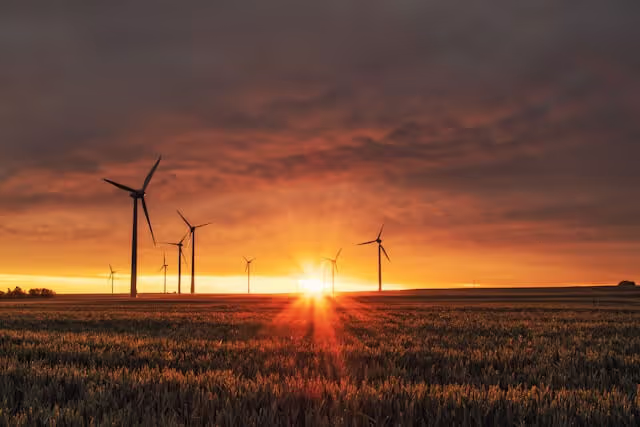
Additionally, EO supports sustainable investing by providing data on environmental, social, and governance (ESG) factors. This allows financial institutions to evaluate the impact of their investments alongside potential financial returns.
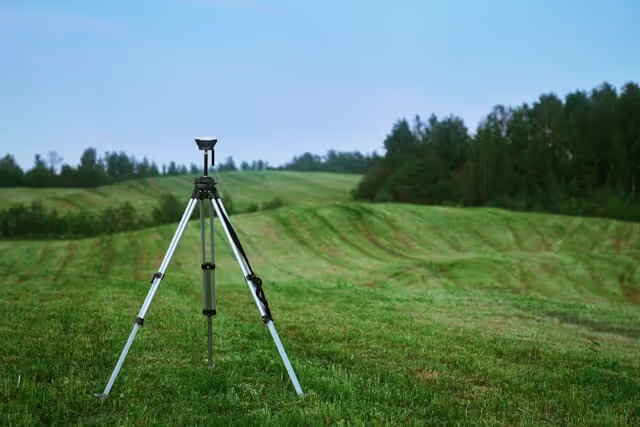
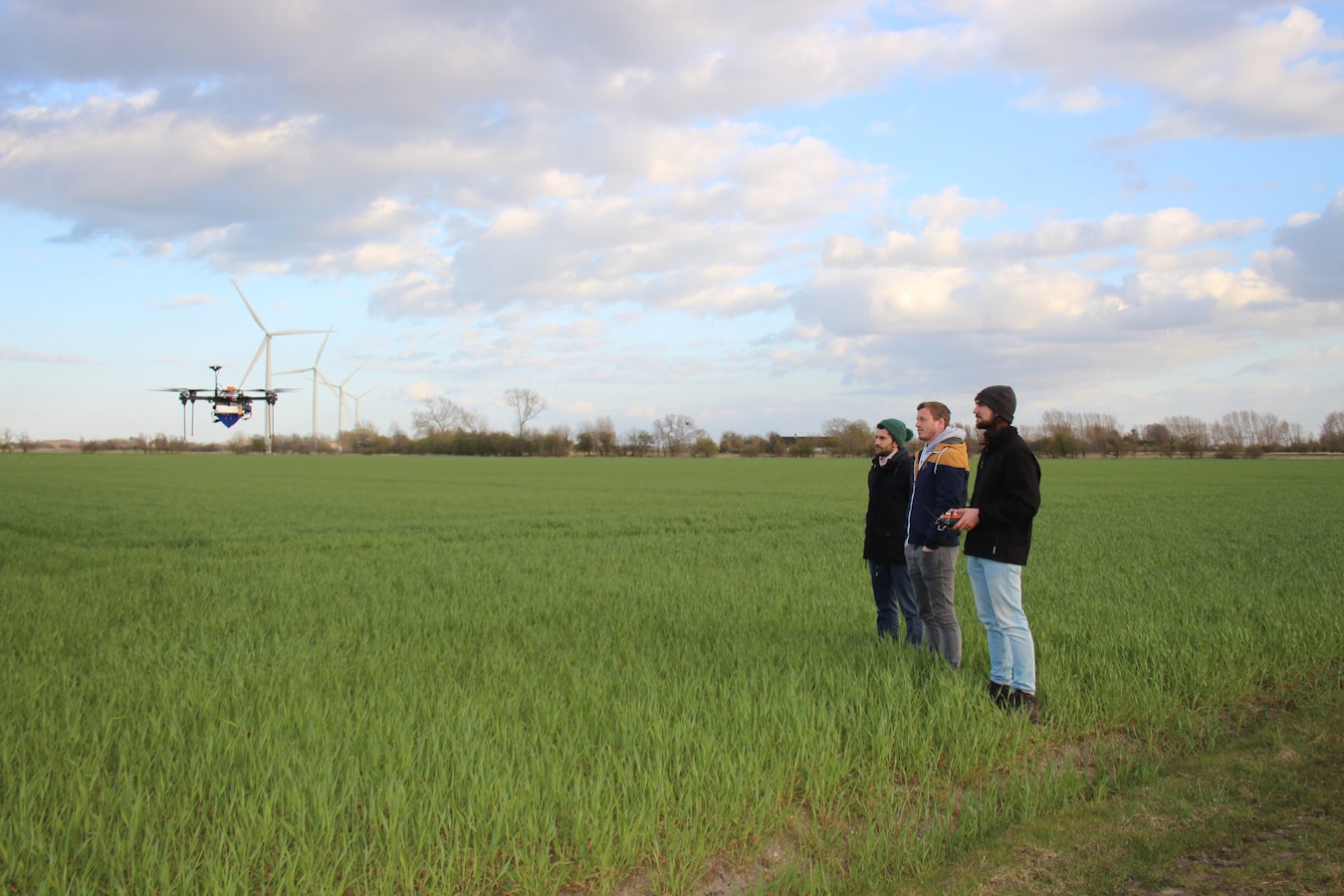
Global Navigation Satellite System (GNSS) data, another important tool, provides precise timing and positioning information. In finance, GNSS is used for time-stamping transactions, while in the insurance sector it can assist with claim assessments through the use of GNSS-enabled drones for pre- and post-event analysis.

Related Resources
%202.jpg)
.avif)

