








Infrastructure
Space-based applications for infrastructure monitoring are particularly valuable as they extend beyond traditional ground-based monitoring


Unlocking Infrastructure Insights from Space
Space-based applications for infrastructure monitoring provide frequent, wide-area insights through satellite imagery. This enables more objective planning, monitoring, and decision-making across the lifecycle of construction projects.
Satellite data also supports disaster preparedness, helping identify weak points in infrastructure and areas at risk from natural hazards. This allows authorities to take early action and build resilience as extreme weather events and natural disasters increase due to climate change. When disasters strike, satellite communication and positioning systems help maintain connectivity, especially in remote or affected areas.
Globally, satellite-based systems like GNSS and SatCOM are changing how infrastructure is managed. They enable real-time data sharing and remote control of assets across vast distances. Combined with the Internet of Things (IoT), which connects physical devices to digital networks, space technologies are making infrastructure smarter, more responsive, and more resilient - helping pave the way for sustainable and connected communities.
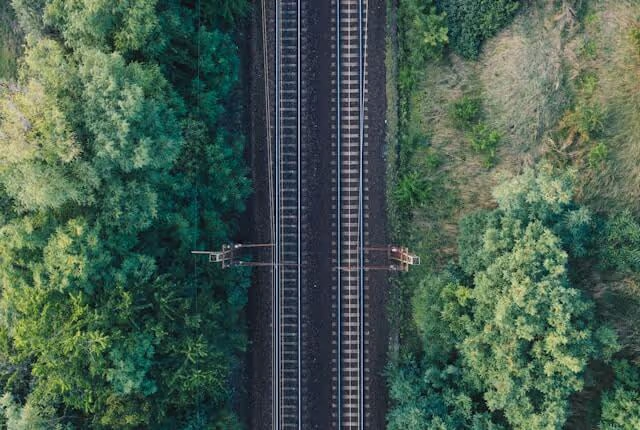
Satellite imagery enables regular, cost-effective monitoring of roads, railways, bridges, and tunnels—helping detect damage, wear, or risk areas across long distances that are difficult to inspect manually.
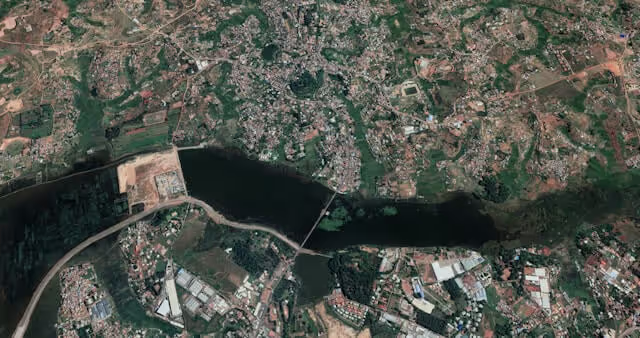
Using InSAR – a technique that compares SAR images over time for changes – it is possible to detect millimetric ground or structure movements over time, all the way from space. This helps ensure safety during and after the construction of large infrastructure like dams, bridges, or metro tunnels.
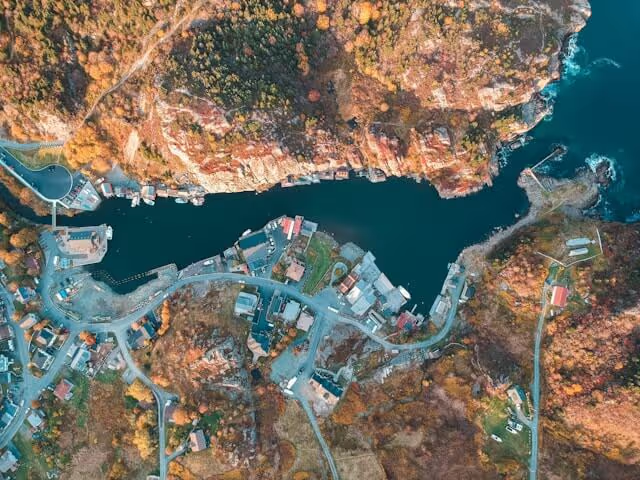
Satellite data helps identify flood zones, landslide risks, or structural vulnerabilities before disasters strike, supporting early action and more resilient infrastructure planning.
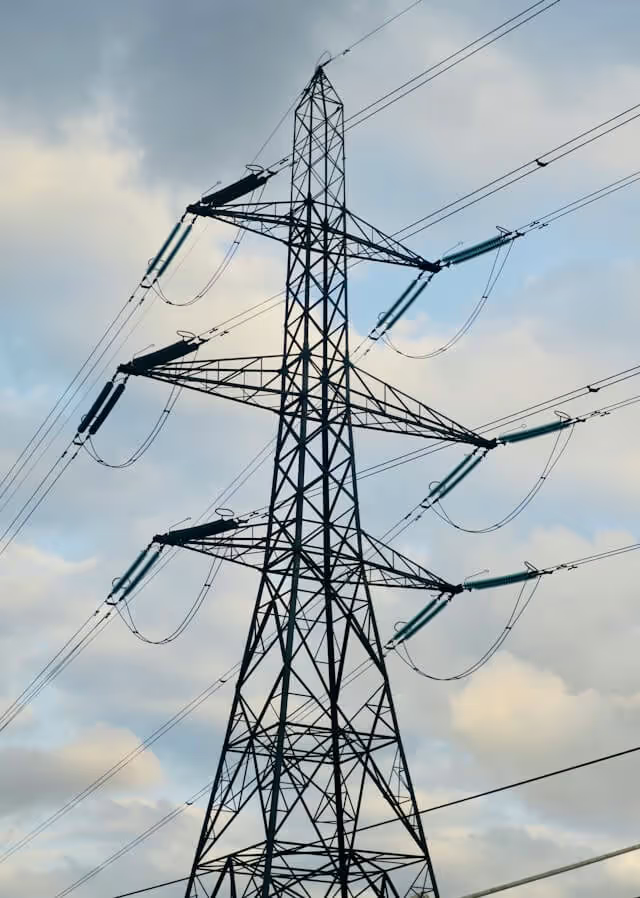
Satellites enhance connectivity for IoT devices in both urban and rural areas, enabling real-time monitoring of various infrastructure conditions such as traffic or the energy grid - supporting smarter, more responsive city systems.
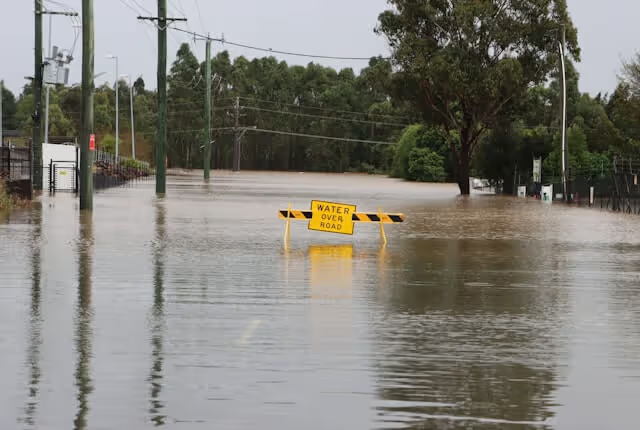
Following disasters, satellite imagery provides rapid, wide-area damage assessments of roads, bridges, and buildings—helping authorities prioritize emergency response and infrastructure repair in an objective, efficient manner.
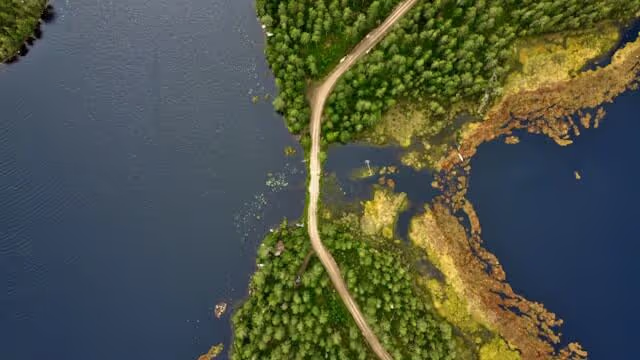
Space-based data tracks vegetation, erosion, and water levels near infrastructure construction sites, helping ensure projects stay compliant with environmental regulations and avoid long-term damage.

Related Resources


.avif)

